
Most people who have tasted cava have tasted the wrong cava. The €6 bottle at the supermarket, the glass poured at a wedding because Champagne was too expensive, the dry and slightly hollow sparkling wine that made you think Spain was not serious about bubbles. That version of cava exists and it has done enormous damage to the reputation of one of Europe's most interesting sparkling wines.
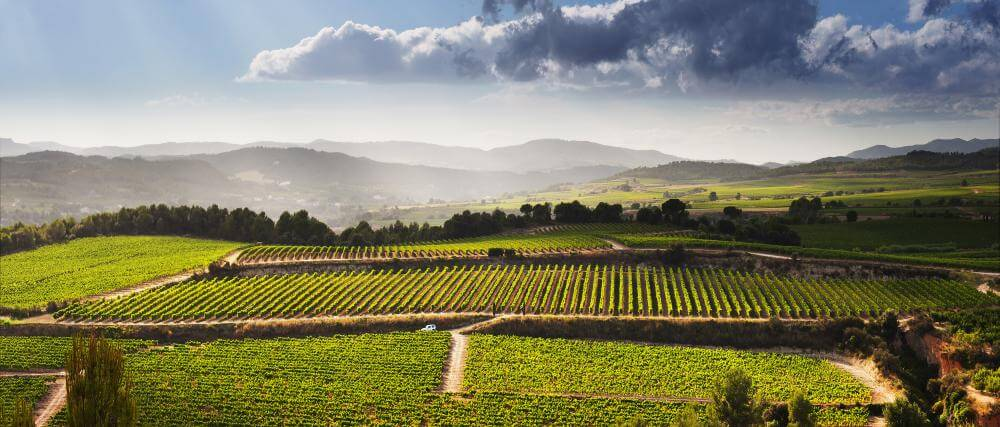
The other cava — the one made by small family producers in the limestone hills of the Penedès, from estate-grown grapes farmed organically, aged for years in the cellar before release — is a completely different drink. It is complex, mineral, food-friendly, and capable of ageing in ways that would surprise anyone who dismissed the category based on supermarket experience. And it costs a fraction of what a comparable Champagne would set you back.
This is the complete guide to cava wine: what it is, how it is made, how it compares to Champagne and Prosecco, what the best producers are doing, and how to experience it properly on a private wine tour from Barcelona.
What is Cava Wine?
Cava is a Spanish sparkling wine produced using the traditional method, the same production process used in Champagne. The name comes from the Catalan word for cellar or cave, a reference to the underground cellars where the wines undergo their second fermentation and ageing.
Unlike Champagne, which is defined by its region, cava was historically defined by its method. For decades, producers across Spain could label their sparkling wine as cava regardless of where the grapes were grown, provided they followed the traditional method. This geographic looseness allowed large producers to source cheap grapes from multiple regions and produce cava at industrial scale and low cost — which is where the category's reputation problem began.
That has changed significantly in recent years, with new designations tightening the rules and a generation of small producers reclaiming the category's potential. Understanding cava today means understanding both what it was and what the best of it has become.
How is Cava Made?
Cava is produced using the méthode traditionnelle, also called méthode champenoise, the same labour-intensive process that gives Champagne its bubbles and complexity.
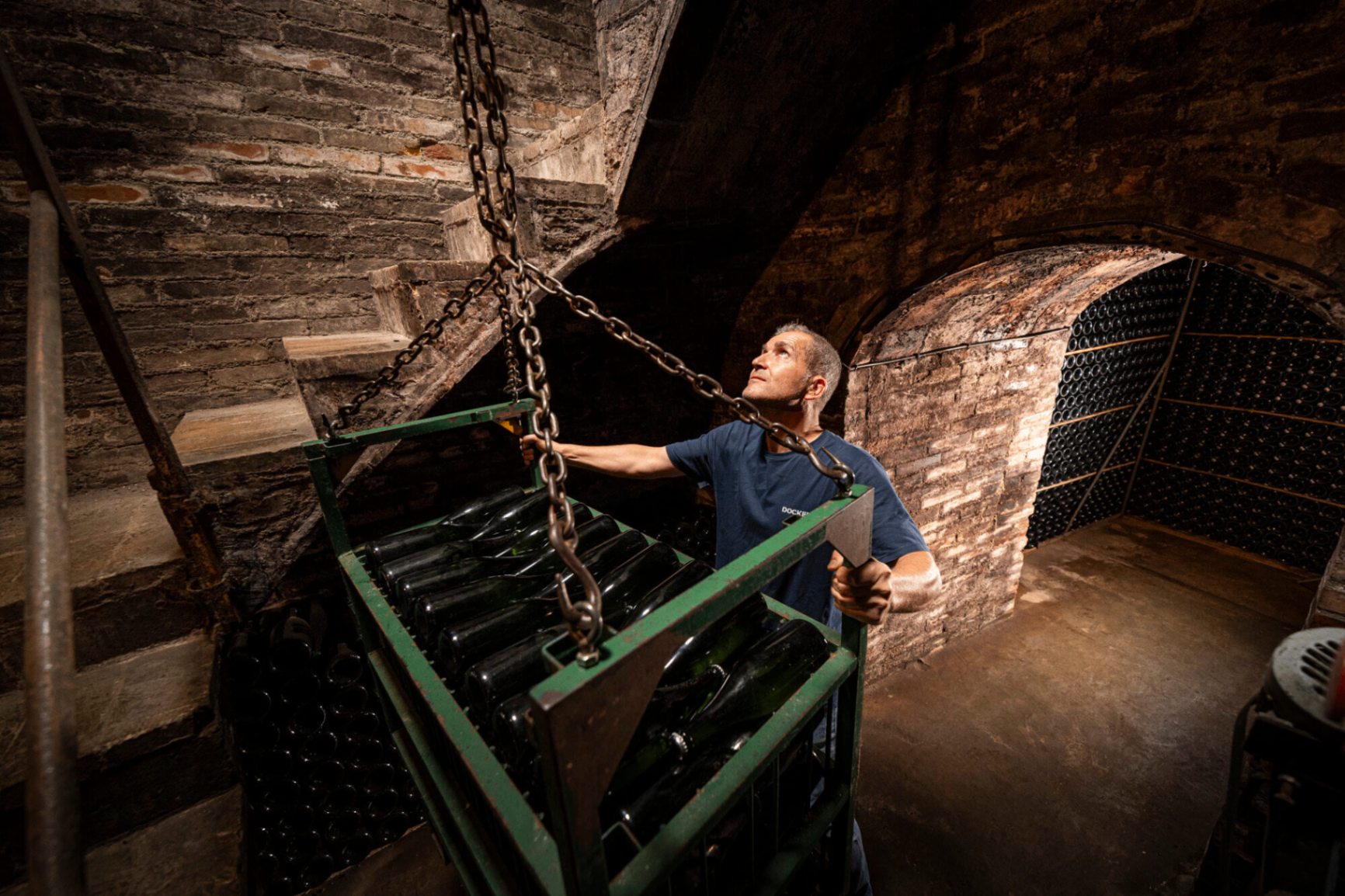
The process begins with a base wine, produced from the harvest in the usual way. This base wine is then bottled with a small addition of sugar and yeast, which triggers a second fermentation inside the bottle. The fermentation produces carbon dioxide — the bubbles — which is trapped under pressure in the sealed bottle.
The bottles then rest on their sides in the cellar, in contact with the spent yeast cells (the lees), for a minimum ageing period. This contact between wine and lees is what gives traditional method sparkling wines their characteristic brioche, biscuit, and toasty notes, and their creamy texture. The longer the contact, the more complex the result.
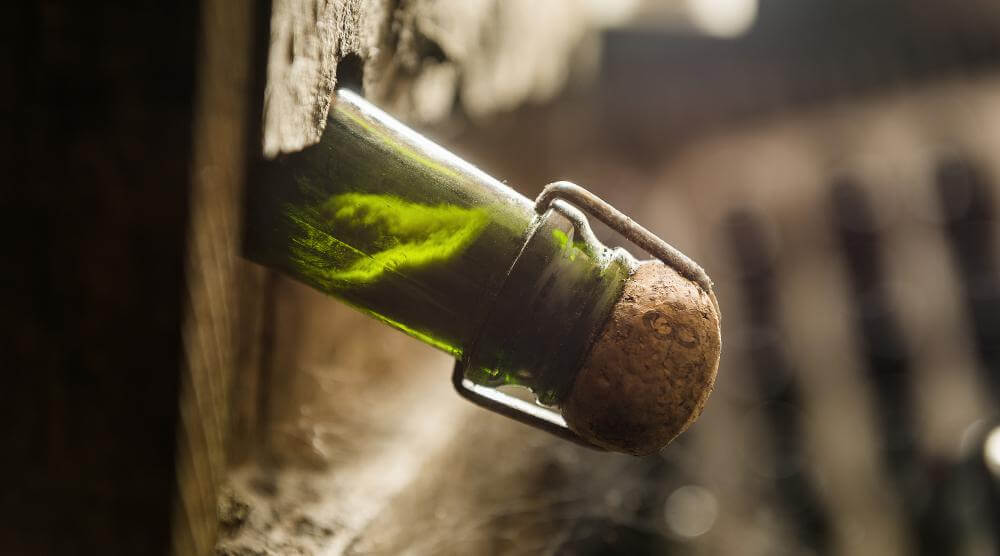
After ageing, the bottles are gradually tilted neck-down through a process called riddling (remuage), which collects the sediment in the neck. The neck is then frozen, the crown cap removed, and the plug of frozen sediment expelled (dégorgement). A small dosage of wine and sugar is added to top up the bottle and determine the final sweetness level before the permanent cork is inserted.
Cava Ageing Categories
The minimum ageing requirements for cava are longer than most people realise, and the premium categories push significantly beyond the minimum.
Cava requires a minimum of nine months on the lees. This is the entry level and covers the majority of commercial production.
Cava Reserva requires a minimum of eighteen months. Wines at this level begin to show genuine complexity and are worth seeking out from quality producers.
Cava Gran Reserva requires a minimum of thirty months and must be produced from a single vintage. These are the most complex and age-worthy expressions of the category, often comparable to non-vintage Champagne at three to four times the price.
Cava de Paraje Calificado is the newest and most prestigious designation, requiring a minimum of thirty-six months ageing, estate-grown grapes from a single classified vineyard, and manual riddling. This is cava at its most serious and its most expensive.
What Grapes are Used in Cava?
This is where cava diverges most clearly from Champagne, and where its distinctive character comes from. The three traditional native varieties of the Penedès form the backbone of most cava production.
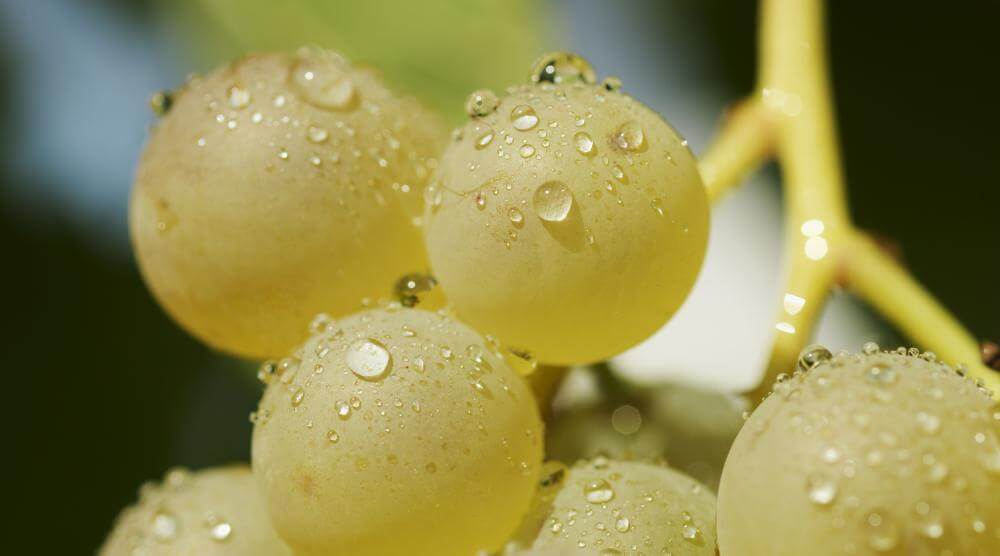
Xarel·lo is the most important and most characterful of the three. It provides body, structure, and a distinctive herbal, almost saline quality that gives cava its regional identity. Xarel·lo ages exceptionally well and is increasingly vinified as a still wine in its own right, where its mineral precision is even more evident. In the glass, it brings texture and longevity.
Macabeu (also known as Viura in Rioja) adds freshness, floral aromatics, and gentle fruit. It tends toward early drinking and provides the approachable, easy character of younger cavas.
Parellada grows at higher altitudes than the other two varieties and contributes delicacy, citrus notes, and natural acidity. It is the lightest of the three and helps maintain freshness, particularly in warmer vintages.
Many producers also work with Chardonnay and Pinot Noir, the classic Champagne varieties, which are permitted in cava production. Some of the most celebrated small producers use Chardonnay to add richness and Pinot Noir for structure and colour in rosé cavas.
For rosé cava, the primary red varieties are Garnatxa (Grenache), Monastrell, and Trepat, a native Catalan variety increasingly valued for the elegance it brings to sparkling rosé.
Cava vs Champagne: The Honest Comparison
This is the comparison everyone reaches for and it is worth addressing directly rather than dancing around it. Champagne and cava share the same production method and a similar obsession with the relationship between base wine, lees ageing, and the expression of place. Beyond that, they are genuinely different wines.
Grapes: Champagne is built on Chardonnay, Pinot Noir, and Pinot Meunier. Cava is built on Xarel·lo, Macabeu, and Parellada. The native Penedès varieties give cava a different flavour profile: more herbal, more earthy, and with a distinctive mineral quality that comes from the limestone and clay soils of the region rather than the chalk of Champagne.
Climate: The Penedès is warmer and sunnier than Champagne. The grapes ripen more fully, which gives cava a slightly richer, more generous fruit character at the same dosage level. The challenge in Champagne is getting grapes ripe enough; in the Penedès, the challenge is preserving freshness and acidity through the summer heat.
Ageing: The great Champagne houses age their wines for years before release and maintain large reserves for blending. The best small cava producers are increasingly doing the same, with Gran Reserva and Paraje Calificado wines spending three, four, or five years in the cellar before release.
Price: This is where the comparison becomes most interesting. A serious small-producer Gran Reserva cava sits at €20 to €45 per bottle. A comparable non-vintage Champagne from a serious house sits at €50 to €80. The quality gap between them is far smaller than the price gap suggests.
The honest conclusion: Champagne remains the benchmark for traditional method sparkling wine and the greatest examples are genuinely extraordinary. But serious cava from the right producers offers comparable pleasure at significantly lower cost, with a regional character that is its own thing rather than an imitation.
Cava vs Prosecco: A Different Question
Prosecco and cava are often grouped together as the affordable alternatives to Champagne, but they are produced by completely different methods and taste nothing alike.
Prosecco is made using the Charmat method, in which the second fermentation takes place in large pressurised tanks rather than individual bottles. The process is faster, less expensive, and produces a different style of wine: lighter, more aromatic, fruitier, with softer bubbles and less of the yeast-derived complexity that comes from extended lees contact.
Prosecco is a genuinely enjoyable wine in its category. It is fresh, easy to drink, and pairs well with lighter foods and aperitivo situations. But it is a fundamentally different product from cava: simpler in structure, shorter in finish, and with far less ageing potential.
For anyone who enjoys Prosecco but has not explored serious cava, the step up is significant. The wines are more complex, more food-friendly, and more interesting to drink with attention.
What is Corpinnat? The New Generation of Cava
In 2019, a group of small Penedès producers left the main cava appellation to create a new designation with stricter rules. They called it Corpinnat, from the Catalan for "heart of the Penedès."
The rules are more demanding than the main cava DO in every dimension. Grapes must be estate-grown within the historical Penedès zone. Farming must be certified organic or biodynamic. Minimum ageing is eighteen months for all wines, with no entry-level category. Manual riddling is required. And the wines must be produced from a single vintage.
The producers who founded Corpinnat, including Recaredo, Gramona, Huguet de Can Feixes, and a handful of others, represent the most serious end of Catalan sparkling wine production. Their wines are among the most interesting sparkling wines made anywhere in Europe and remain largely unknown outside Catalonia and the wine trade.
Visiting a Corpinnat producer in the Penedès is a genuinely revelatory experience for anyone who thinks they know what cava is. The wines taste different: more complex, more mineral, more alive, with a capacity for development in the glass and in the bottle that commercial cava never approaches.
Where is Cava Made?
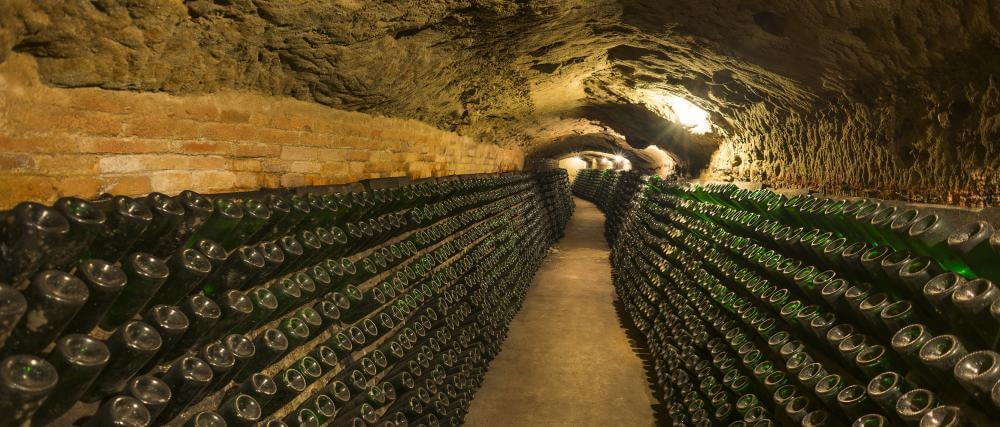
The vast majority of cava, around 95%, is produced in the Penedès wine region of Catalonia, centred on the town of Sant Sadurní d'Anoia, around 45 kilometres southwest of Barcelona. The town has a higher density of cava cellars per square kilometre than almost any wine town in Europe, and its underground cellars, some stretching for kilometres beneath the streets, hold millions of bottles at any given moment.
The Penedès sits on a limestone and clay plateau between the coastal ranges and the pre-coastal mountains, at altitudes between 150 and 800 metres depending on the sub-zone. The higher altitude vineyards, particularly those around the villages of Subirats and Sant Pau d'Ordal, produce grapes of greater freshness and acidity, ideal for sparkling wine base wines.
Other regions produce cava under the DO rules, including parts of the Rioja, Valencia, and Extremadura, but the historical and qualitative heartland of the category is unambiguously the Penedès.
The Best Cava Producers to Know
Understanding cava is easier with a few reference points. These are producers whose wines consistently demonstrate what the category can achieve at its best.
Corpinnat
These producers left the main cava DO to create stricter estate-grown, organic standards. Their wines represent the most serious and ambitious end of Catalan sparkling wine production.
Llopart is one of the oldest family estates in the Penedès, farming since 1385 and producing cava with a precision and consistency that reflects generations of accumulated knowledge. Their single-vineyard and vintage wines are among the most elegant in the Corpinnat group.
Recaredo farms biodynamically in Sant Sadurní and produces wines of extraordinary precision and longevity. Their Terrers, a single-vintage blanc de blancs aged for a minimum of three years, is a benchmark for what Xarel·lo-based cava can become.
Gramona holds three stars in the Guide Peñín, Spain's most authoritative wine guide, and has been farming biodynamically for over two decades. Their Celler Batlle, aged for a decade before release, is one of the most compelling sparkling wines produced anywhere in Spain.
Celler Kripta produces one of the most distinctive bottles in Spanish wine — the amphora-shaped Kripta, aged for a minimum of five years, is an iconic expression of old-vine Xarel·lo and Macabeu that has earned a devoted following among serious sparkling wine collectors.
Juvé & Camps brings scale and consistency to the Corpinnat group, producing estate-grown wines across a wide range while maintaining the farming and production standards the designation demands. Their Reserva de la Familia is one of the most reliable introductions to serious cava at an accessible price.
D.O. Cava
Within the broader cava DO, a number of smaller producers are making wines of genuine character that represent the category at its most honest and food-friendly.
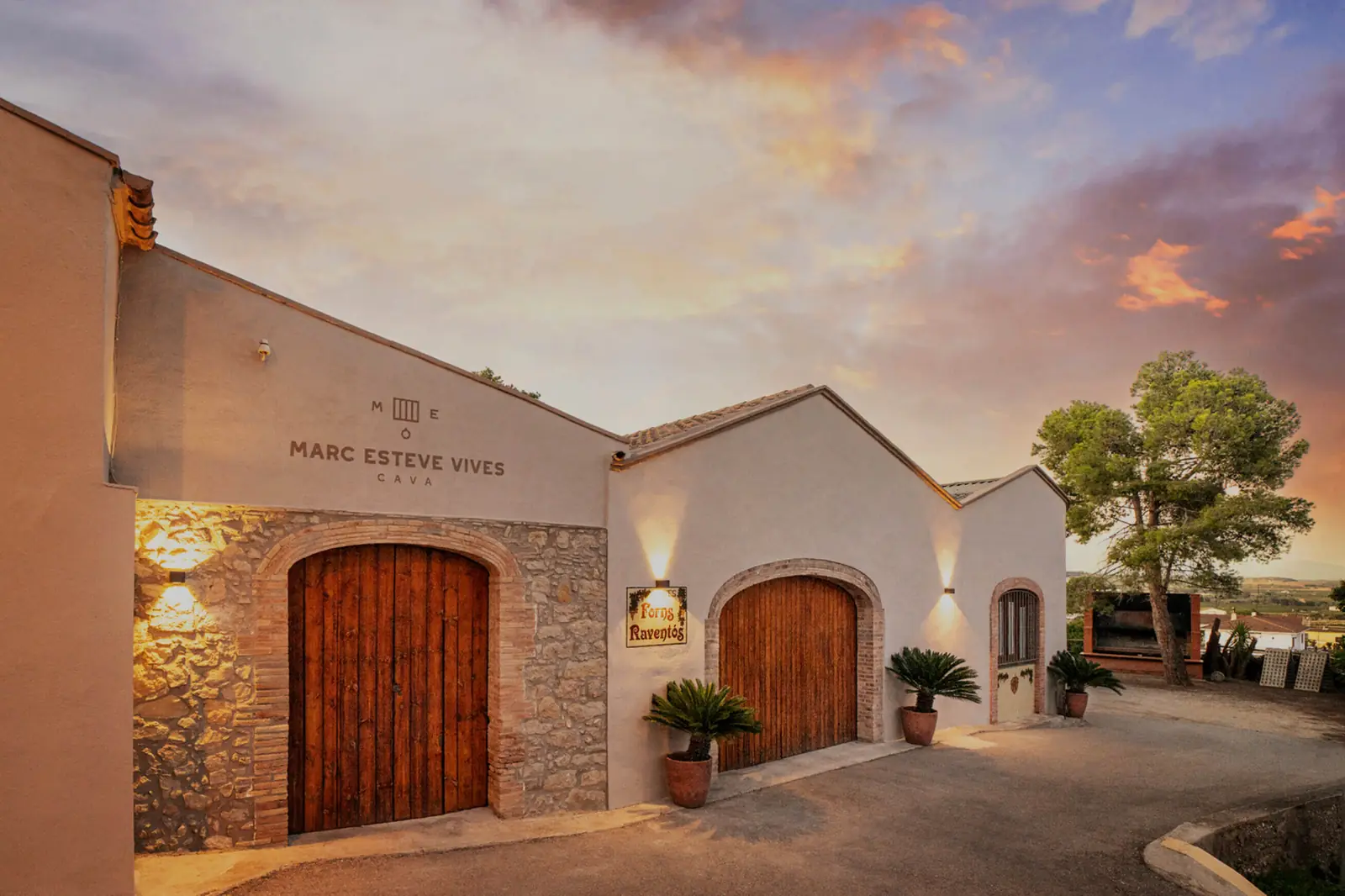
Marc Esteve Vives is a small artisan producer whose wines reflect a deeply personal approach to the Penedès terroir. Limited production and genuine attention to detail make these bottles worth seeking out — and Marc Esteve is one of the family estates we visit on our half-day private cava tour from Barcelona.
Giró del Gorner is a family estate in Puigdàlber producing organic cavas with a freshness and mineral precision that reflects careful farming and a genuine commitment to the native Penedès varieties.
Celler Eudald Massana works with estate-grown grapes in the Alt Penedès, producing cavas of elegance and restraint that show what the native varieties can achieve in the hands of a committed small producer.
Codorníu is the historic house that helped build cava's international profile and whose Modernista winery in Sant Sadurní, designed by Josep Puig i Cadafalch and now a listed monument, is one of the most spectacular cellar visits in Catalonia. At their premium Jaume Codorníu tier, the wines are genuinely serious.
Parés Baltà is a certified biodynamic estate producing a wide range of cavas alongside still wines, with a particular strength in organic rosé cava from native red varieties.
Vins el Cep brings together several family growers under a single estate umbrella, producing cavas of consistent quality across a range of styles, from accessible entry-level brut to more ambitious vintage and single-vineyard expressions.
How to Taste Cava: What to Look For
Tasting cava properly means approaching it with the same attention you would give to Champagne, not the casual pour-and-sip treatment that most sparkling wine receives at parties.
Temperature: Serve between 6°C and 10°C (43°F to 50°F). Too cold and the aromatics close down; too warm and the bubbles become coarse. Remove from the refrigerator 15 minutes before serving if it has been chilled below this range.
Glassware: A tulip-shaped flute or a white wine glass works better than a traditional narrow flute. The wider bowl allows the aromatics to develop in a way that a narrow glass prevents. Avoid coupe glasses, which lose carbonation too quickly.
What to look for: In the glass, look for a persistent stream of fine, small bubbles rather than large, aggressive ones. On the nose, young cavas show citrus, green apple, and white flowers; with age, these evolve toward brioche, toasted almonds, honey, and dried fruits. On the palate, pay attention to the texture — a good cava should feel creamy and persistent rather than sharp and thin — and the finish, which in a serious Gran Reserva should last for thirty seconds or more.
Sweetness levels: Most quality cava is produced as Brut Nature (zero dosage, bone dry) or Brut (very dry). Extra Brut is slightly richer but still dry. Avoid Seco or Semi-Seco if you prefer dry wines; these have noticeable sweetness that most serious producers have moved away from.
Cava and Food: What to Pair
Cava's natural acidity, mineral character, and persistent bubbles make it one of the most food-friendly wines produced anywhere. Unlike many wines that work well with a narrow range of dishes, serious cava works across an unusually wide range of food.
Seafood and shellfish are the classic pairing. The acidity cuts through the richness of prawns, clams, and oysters, and the mineral quality of Xarel·lo-based cavas echoes the salinity of the sea. A plate of gambas al ajillo with a glass of aged Brut Nature cava is one of the great simple pleasures of Catalan eating.
Charcuterie and jamón pair beautifully with the yeasty, toasty notes of an aged reserva cava. The fat in the cured meat is cut by the acidity; the complexity of the wine matches the complexity of the food.
Soft and semi-soft cheeses, particularly fresh goat's cheese and young Manchego, work well with younger, fruitier cavas. Aged cheeses with stronger flavour profiles pair better with Gran Reserva wines of greater complexity.
Asian cuisine, particularly Japanese and Thai, is a surprisingly strong match for cava. The acidity handles spice well and the wine's fruit character complements rather than fights the umami-rich flavours of soy, miso, and fish sauce.
Fried foods of any kind: the bubbles and acidity of cava perform the same function as a squeeze of lemon, cutting through oil and fat to refresh the palate. Patatas bravas, croquetas, and tempura all work.
How to Experience Cava Properly: Visit the Penedès
Reading about cava takes you a certain distance. Tasting it at the source, in the cellars where it is made, with the people who make it, takes you considerably further.
The Penedès is 45 minutes from Barcelona by private transfer and around 45 minutes by train to Sant Sadurní d'Anoia. A well-planned day visits two family producers: one to understand the history and the method, one to see what the new generation of small artisan producers is doing with the same grapes and the same terroir but far more ambition.
 Penedès
Two family wineries in the Penedès from Barcelona
Ultimate Private Wine & Cava Tour
A fully private day visiting two family-owned wineries in the Penedès — cava and still wine tastings, a Catalan brunch and hotel pick-up in Barcelona in a Tesla Model Y.
- Private Tesla Model Y transfer from Barcelona
- Visits to two family-owned wineries
- Cava and still wine tastings
- Catalan brunch with vineyard views
From
€185/ person
EVE BCN runs private cava and wine tours from Barcelona to the Penedès, visiting family estates that are not set up for mass tourism and offer a quality of experience that the large commercial cellars cannot replicate. The tours are private to your group, maximum four guests, with hotel pick-up and drop-off in Barcelona included.
For visitors combining Montserrat with a Penedès winery visit, the two destinations work naturally together as a single day: the monastery in the morning and a cava brunch tasting at a family estate in the afternoon, back in Barcelona by 3:00 pm.
Frequently Asked Questions About Wineries Near Barcelona
Plan your journey
Experience the Penedès privately
Discover the wineries in this guide on a fully private journey from Barcelona — silent Tesla travel, family-owned cellars and unhurried tastings.