
Less than one hour from Barcelona, the landscape shifts from city streets to rolling vineyards, quiet countryside roads and small family-owned wineries that have shaped Catalonia's wine culture for centuries. Most visitors to Barcelona never make it this far. Those who do almost universally describe it as the most memorable part of their trip.
This is the complete guide to the best wineries near Barcelona, Spain. It covers every wine region within reach of the city, the specific estates worth visiting, how to get to each, what to expect when you arrive, and how to choose the right experience for the time you have. Whether you are looking for a private cava tasting 45 minutes from your hotel, a full day in Priorat's dramatic slate landscapes, or a boutique organic producer most Barcelona visitors have never heard of, this guide has the answer.
Wineries Near Barcelona, Spain: Which Regions to Visit
Catalonia has more than a dozen wine appellations, but four regions sit within comfortable reach of Barcelona and offer genuinely exceptional winery visits. Each is different in landscape, wine style, and the kind of experience it delivers.
Penedès — 45 Minutes from Barcelona
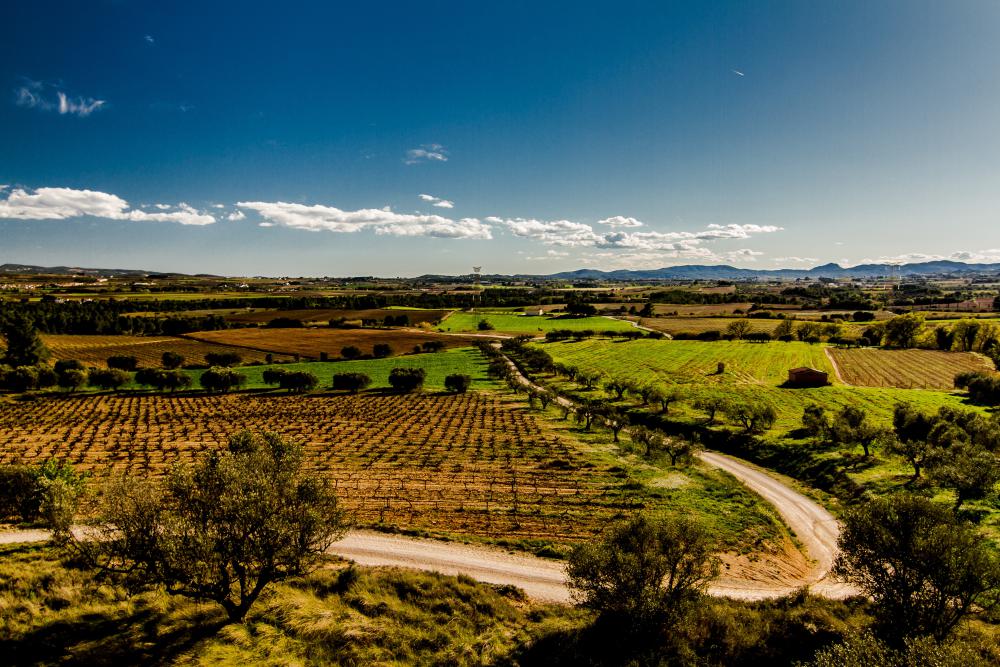
The Penedès is the most accessible wine region near Barcelona, Spain, and the one that rewards the widest range of visitors. Located 45 kilometres southwest of the city, it is the heartland of cava, Spain's traditional method sparkling wine, and produces still whites and reds of real character alongside it.
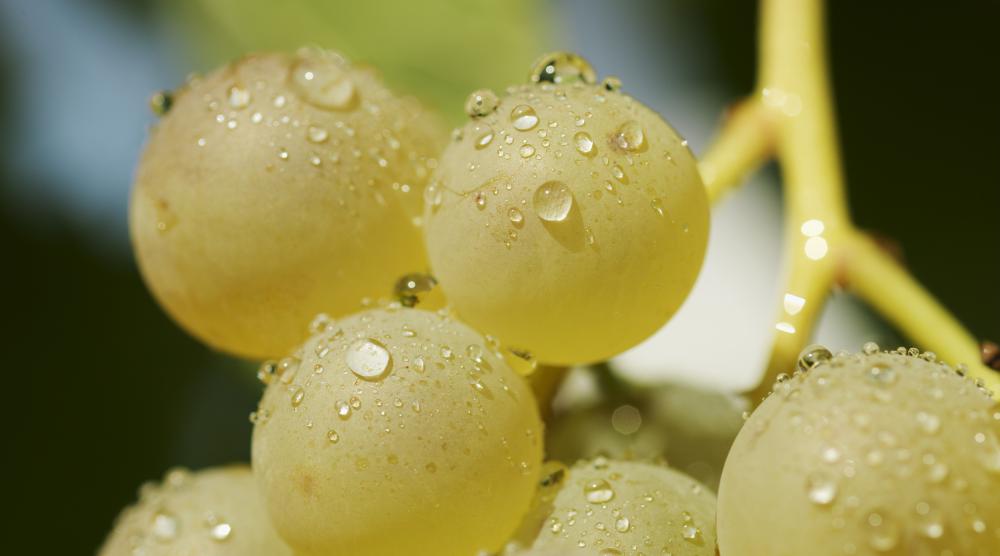
The limestone hills and clay soils of the central Penedès plateau grow three native varieties that form the backbone of cava production: Xarel·lo, Macabeu, and Parellada. Xarel·lo in particular is one of the most interesting white grape varieties in Spain, producing wines of remarkable minerality, freshness, and ageing potential that are still largely unknown outside Catalonia.
In 2019 a group of small producers left the main cava appellation to create Corpinnat, a stricter designation covering estate-grown, organically farmed cava aged for longer than the DO minimum. The wines that result are among the most compelling sparkling wines produced anywhere in Europe. A day in the Penedès that includes a Corpinnat producer changes how you think about Spanish wine permanently.
Distance from Barcelona: 45 minutes by private vehicle; 45 minutes by FGC train to Sant Sadurní d'Anoia.
Priorat — 1 Hour 40 Minutes from Barcelona
Priorat is the prestige wine destination near Barcelona, Spain, and the one that delivers the most dramatic experience. It holds the DOQ designation, Spain's highest wine quality classification, shared only with Rioja. The wines produced here, from old-vine Garnatxa and Cariñena grown on black llicorella slate terraces, are among the most concentrated and distinctive in the country.
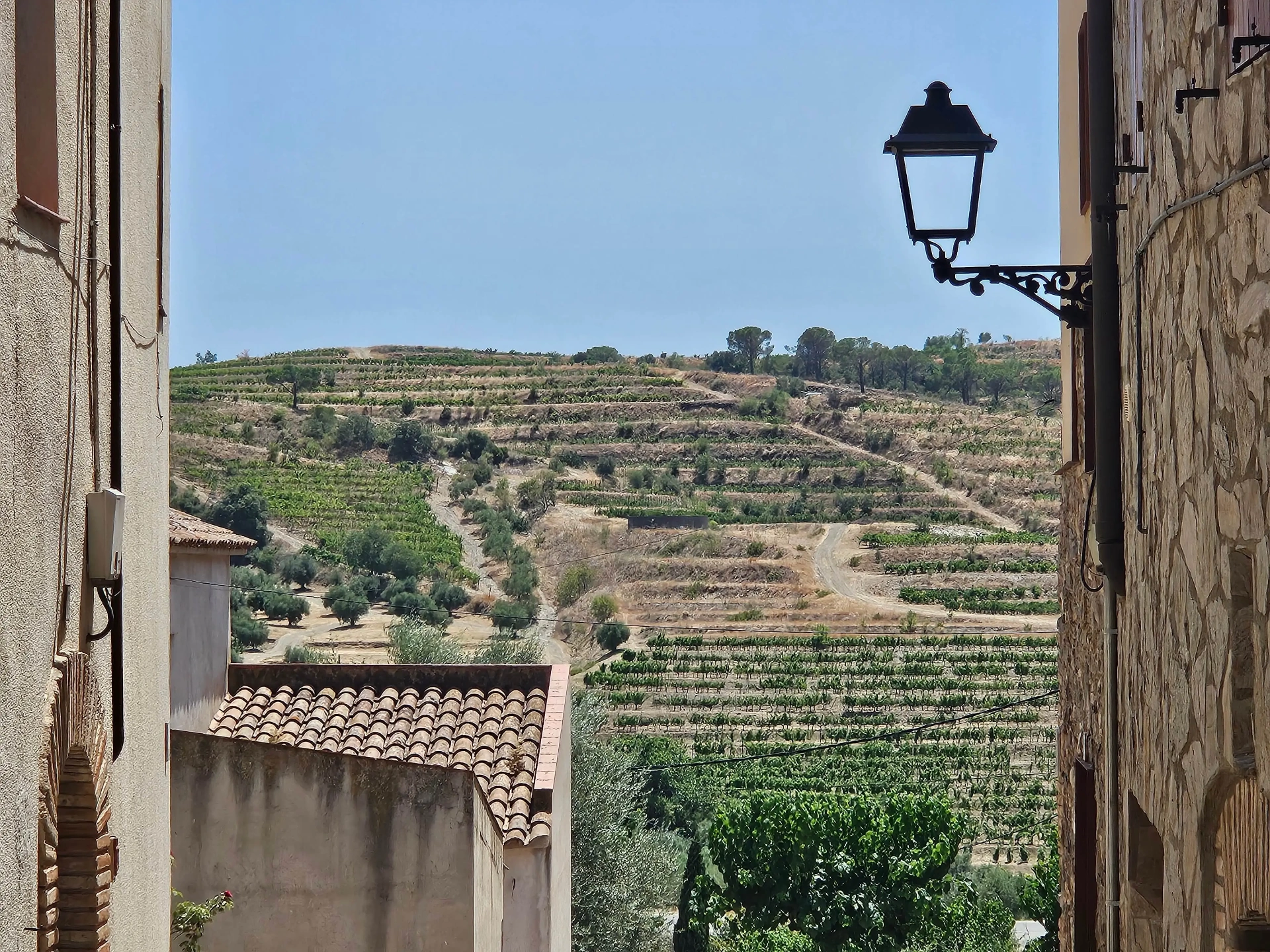
The landscape is extraordinary. Steep terraced vineyards rise from medieval villages on slopes so severe that harvesting has always been done by hand. The black slate soil reflects heat during the day and retains it at night, concentrating the flavour of each grape while the dry Mediterranean climate keeps yields tiny and quality high.
Visiting wineries in Priorat requires planning. Most estates are by appointment only, public transport between cellars does not exist, and the roads into the core villages are narrow and winding. A private wine tour from Barcelona handles all of this and transforms what could be a logistical challenge into a seamless, memorable day.
Distance from Barcelona: 1 hour 40 minutes by private vehicle.
Montsant — 1 Hour 30 Minutes from Barcelona
Montsant is the DO that surrounds the Priorat zone, producing wines of similar character from the same native varieties at more accessible prices. The two regions share a boundary and several villages, and combining them in a single day covers the full spectrum of what this part of Catalonia produces.
Montsant has attracted a generation of younger winemakers who came for the affordable land and stayed for the quality of the terroir. The wines tend to be fresher and more approachable than Priorat at entry level, with a smaller group of single-vineyard and old-vine expressions that match Priorat quality at lower prices.
Distance from Barcelona: 1 hour 30 minutes by private vehicle.
Alella — 20 Minutes from Barcelona
Alella is the secret on this list. Located just 20 kilometres north of Barcelona, it is one of Spain's smallest wine appellations and one of the least visited. The whites, made primarily from Pansa Blanca (Xarel·lo), grown on sandy granite soils above the Mediterranean coast, are mineral, precise, and age beautifully.
Visiting Alella combines easily with other activities: a morning tasting at a family estate, lunch by the sea in El Masnou, and an afternoon back in Barcelona. For visitors with limited time who want to visit a winery near Barcelona, Spain without spending a full day, Alella is the most practical option.
Distance from Barcelona: 20 minutes by private vehicle; 25 minutes by suburban train.
The Best Wineries Near Barcelona, Spain
These are the estates worth visiting, chosen for the quality of their wines, the authenticity of the experience, and the warmth with which they receive visitors.
Penedès Wineries Near Barcelona
Recaredo — Sant Sadurní d'Anoia. One of the founding members of Corpinnat and among the most respected cava producers in Spain. Recaredo farms biodynamically and produces wines of extraordinary precision and longevity. Their Terrers, a single-vintage blanc de blancs aged for a minimum of three years on the lees, is a benchmark for what Xarel·lo-based cava can achieve. Visits are structured and serious, with staff who understand the wines at a level that rewards genuine curiosity.
Gramona — Sant Sadurní d'Anoia. Three stars in the Guide Peñín, biodynamic farming for over two decades, and a Gran Reserva aged for a decade before release that is one of the most compelling sparkling wines made anywhere in Spain. Gramona represents the Corpinnat movement at its most ambitious and consistent. The estate is beautiful and the tasting experience is among the most educational available in the region.
Llopart — Subirats. One of the oldest family estates in the Penedès, farming vines since 1385. Llopart produces a wide range of cavas with a precision that reflects generations of accumulated knowledge. Their single-vineyard and vintage wines are among the most elegant in the Corpinnat group. The estate itself, set in the hills above Sant Sadurní, is one of the most scenic winery visits near Barcelona.
Giró del Gorner — Puigdàlber. A certified organic family estate in Puigdàlber producing cavas with genuine freshness and mineral precision. One of the most personal and intimate visits available in the Penedès for small groups, and a producer whose commitment to organic farming makes every glass taste different from the industrial version of cava most visitors know.
Parés Baltà — Pacs del Penedès. A certified biodynamic estate producing a wide range of cavas alongside still wines. Particular strengths in organic rosé cava and native white varieties. Parés Baltà is one of the most welcoming estates in the Penedès for visitors who want to understand the connection between biodynamic farming and what ends up in the glass.
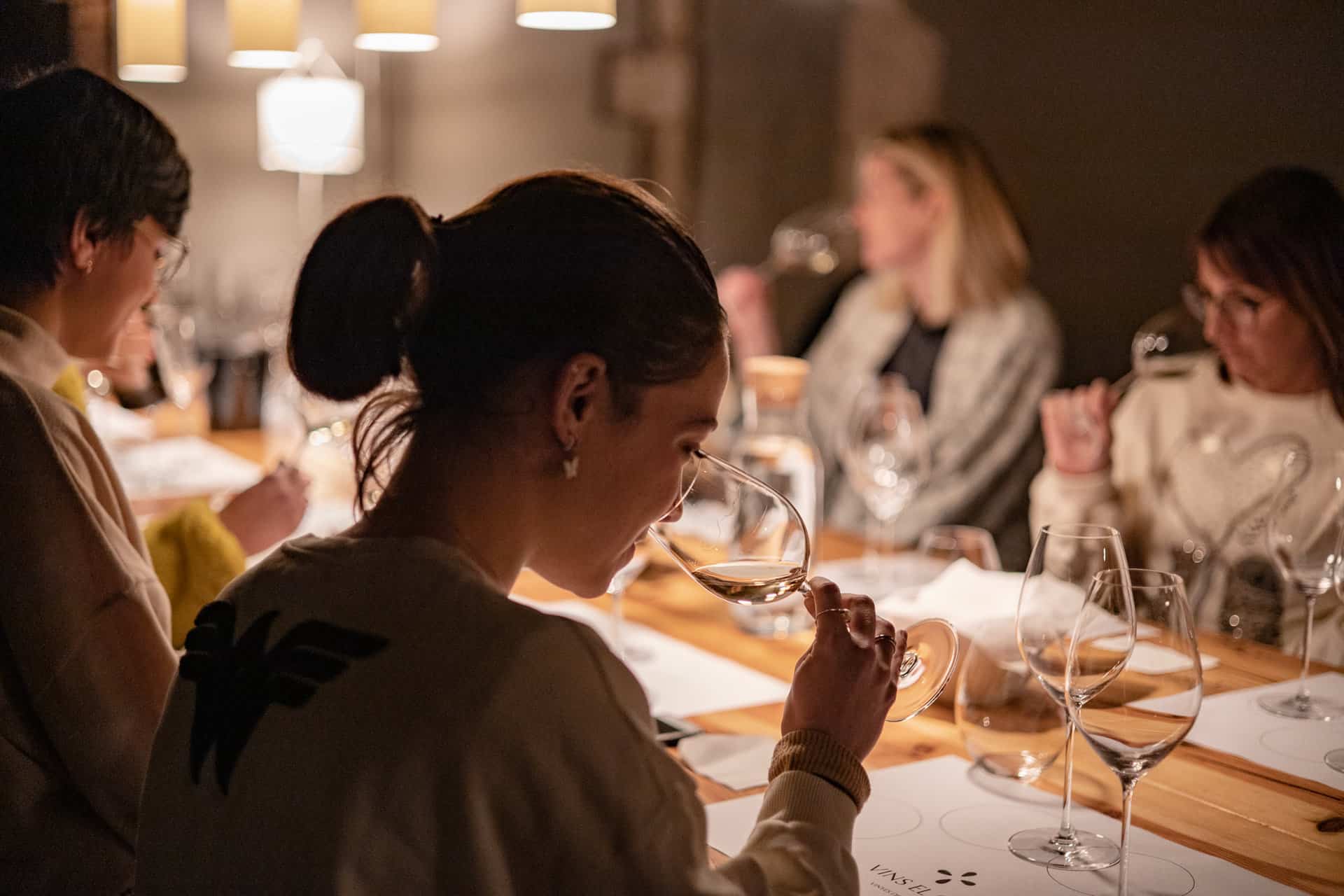
Vins el Cep — Sant Sadurní d'Anoia. A family estate bringing together several growers under one umbrella, producing cavas of consistent quality across a range of styles from accessible entry-level brut to ambitious vintage and single-vineyard expressions. An excellent introduction to the variety of cava styles produced within a small area of the Penedès.
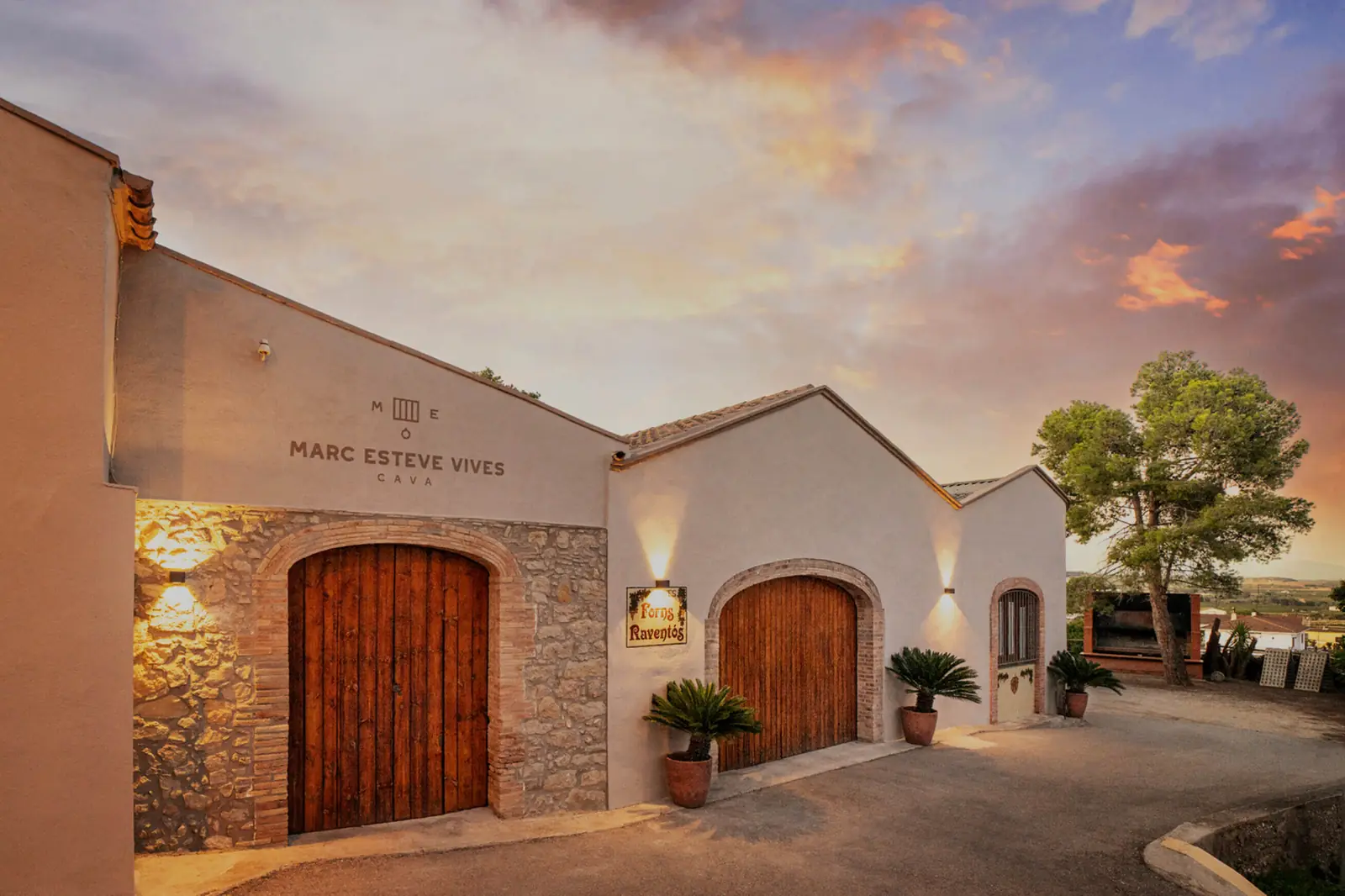 Penedès
Featured Experience
Private Wine & Cava Tour from Barcelona
A full day across two family estates in the Penedès — cava, still wine and a traditional Catalan brunch, in your own private Tesla from your hotel.
- Hotel pick-up in Barcelona
- Two family wineries
- Guided tastings
- Catalan brunch
From
€225/ person
Priorat Wineries Near Barcelona
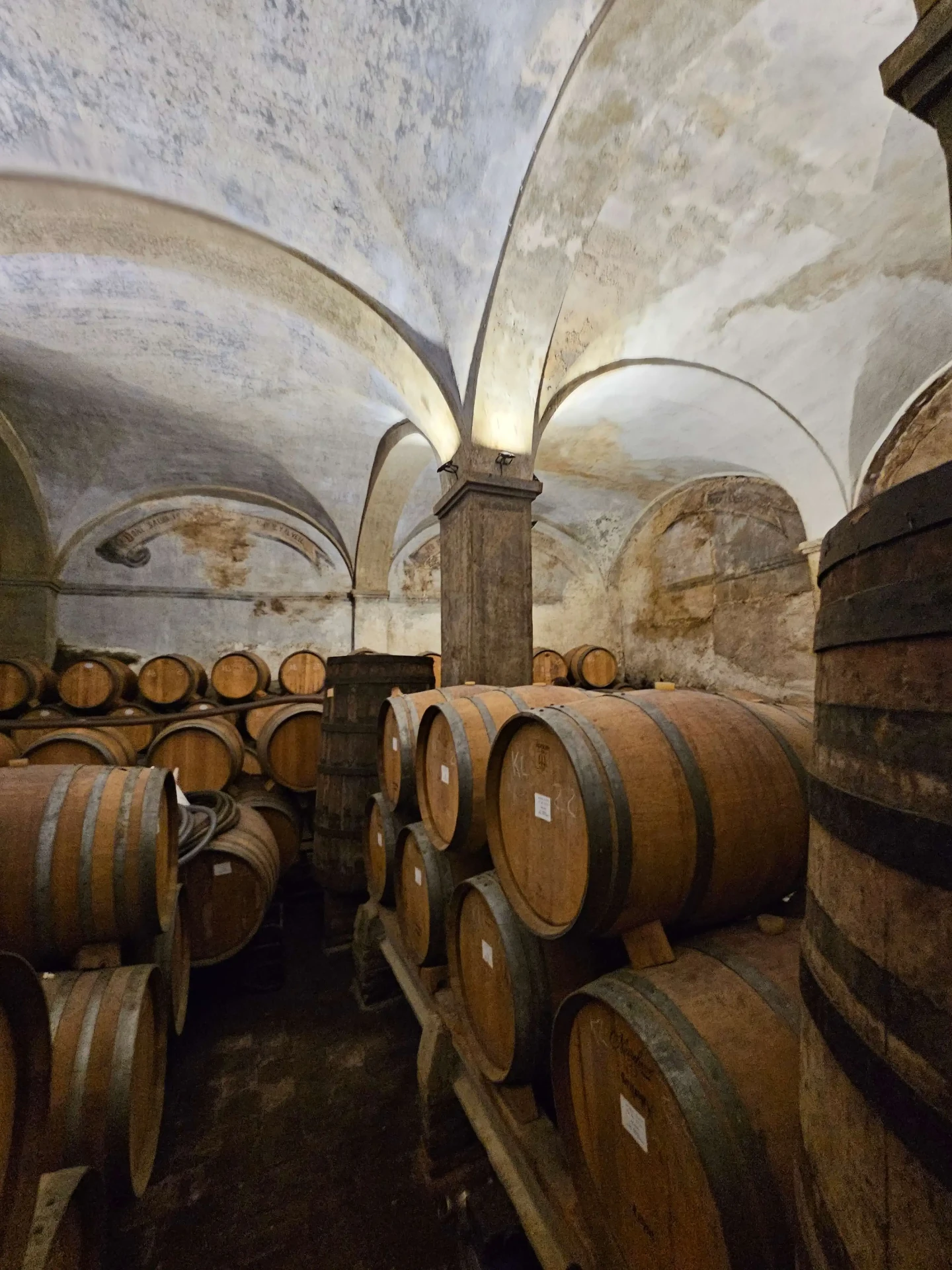
Cal Pla Celler — Porrera. A tenth-generation family winery in one of Priorat's most emblematic villages. Cal Pla works with old-vine Garnatxa and Cariñena on pure llicorella slate soils. Visits here are direct and genuine — no performance, no rehearsed script, just the people who make the wine talking about vines they have tended for decades. The tasting moves through approximately five wines, from younger expressions to old-vine complexity. The contrast between Garnatxa and Cariñena on these soils is one of the most instructive comparisons available anywhere in Catalan wine country.
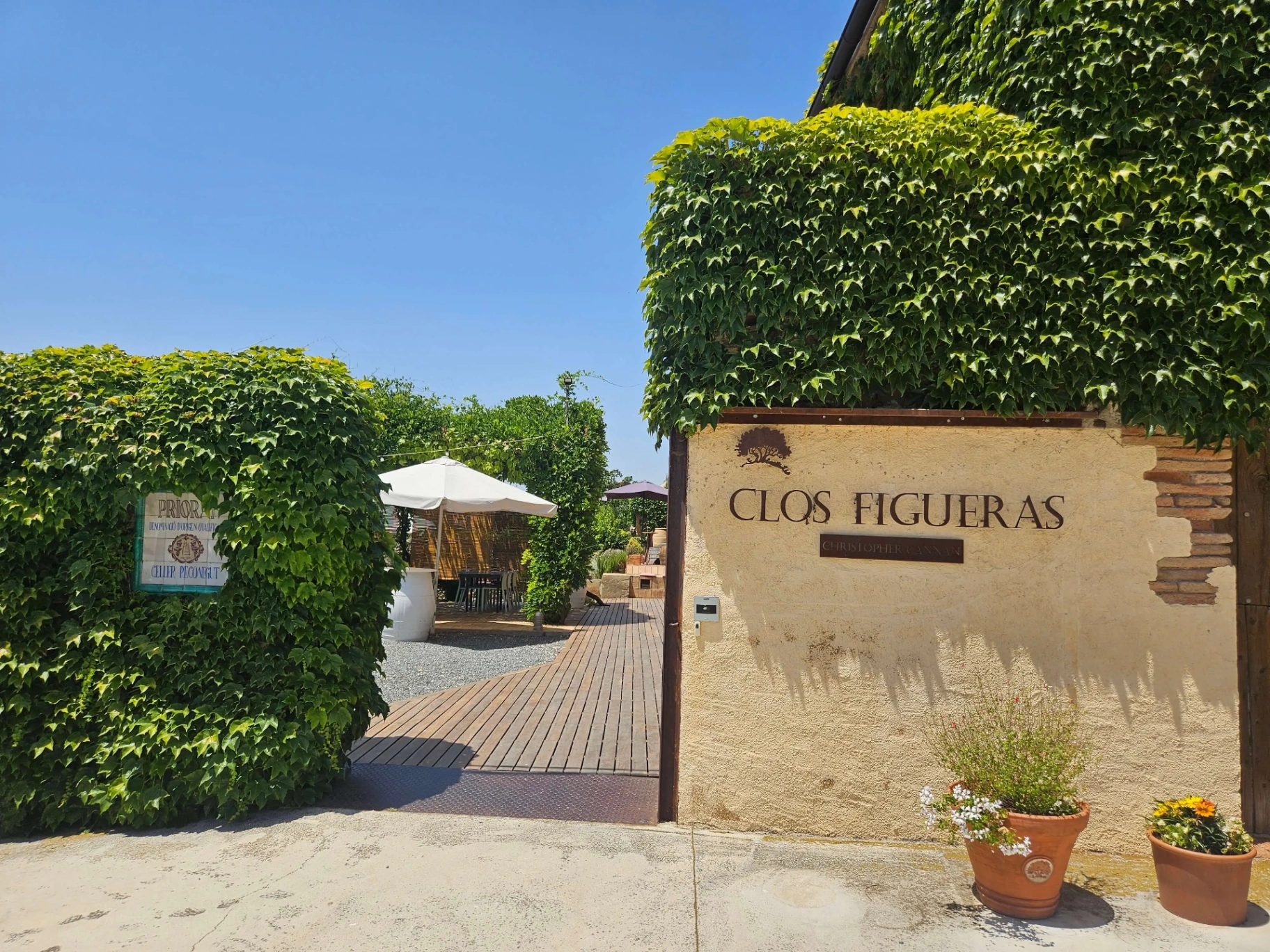
Clos Figueras — Gratallops. Founded by Christopher Cannan, a British wine merchant who arrived in Priorat in the early days of the 1980s renaissance and recognised the potential of these slopes before most of the world had heard of the region. Clos Figueras sits on a hillside above Gratallops with views across the valley toward the Montsant massif. The estate is known for the quality of its wines and for a food pairing experience that is one of the finest wine and food encounters available anywhere near Barcelona. Pairing menus range from €35 to €55 per person and are paid directly at the restaurant.
Celler Devinssi — Gratallops. Led by Jordi Ustrell, a host of remarkable warmth and knowledge who conducts tastings in English, Spanish, French and Catalan. Devinssi produces around 10,000 bottles per year from old-vine Samsó and other native varieties with minimal intervention. Tastings take place on a terrace with panoramic views across the Priorat hills or inside the cellar depending on the weather. Consistently the most personal and memorable winery visit for first-time visitors to Priorat.
Clos Mogador — Gratallops. Founded by René Barbier, one of the pioneers who launched the Priorat renaissance. Clos Mogador is among the most celebrated estates in the region. Visits include the vineyards, the cellar, and a tasting of wines that are internationally recognised as benchmarks for Priorat quality.
Scala Dei — Scala Dei. The winery with the longest history in Priorat, tracing its roots to a Carthusian monastery founded in the 12th century. The monks planted the first commercial vineyards on these slopes and the tradition has continued, with a break, ever since. A visit to Scala Dei combines exceptional wine with one of the most atmospheric and historically significant estate settings in Spain.
Alella Wineries Near Barcelona
Alta Alella. The best-known producer in the Alella DO, farming biodynamically and producing a range of wines from Pansa Blanca, Pansa Rosada, and Garnatxa that have attracted serious attention from natural wine buyers across Europe. The estate sits within the Parc Natural de la Serralada de Marina, making it one of the most scenic winery visits available within 30 minutes of Barcelona.
How to Visit Wineries Near Barcelona, Spain
Getting There Independently
Penedès by train: The FGC line from Plaça Espanya in Barcelona reaches Sant Sadurní d'Anoia in 45 minutes, making it the most train-accessible wine region near Barcelona. From the station, most family estates require a short taxi ride. The train runs frequently and tickets are inexpensive, making this the best public transport option for winery visits near Barcelona.
Priorat by public transport: A train from Barcelona Sants to Falset, with a change at Reus or Tarragona, takes around 1 hour 45 minutes. From Falset, there is no reliable public transport to individual wineries. A taxi from Falset to Gratallops costs approximately €25 to €35 one way, and return taxis are difficult to arrange from remote locations. Visiting Priorat independently without a car requires careful planning and limits how many estates you can visit.
Driving yourself: The drive from Barcelona to the Penedès takes 45 minutes via the AP-7 motorway. To Priorat, around 1 hour 40 minutes via the same motorway and then inland through Falset. Driving presents one obvious challenge: someone in the group has to remain sober throughout the day. For a tasting-focused visit to two or three estates, this means one person has a fundamentally different experience from everyone else.
Private Wine Tours from Barcelona
A private wine tour from Barcelona solves every logistical challenge before it becomes a problem. Hotel pick-up, advance winery reservations, a host who speaks the language and knows the producers, and no decisions to make about driving or timetables. The day belongs entirely to the experience.
EVE BCN offers private wine tours from Barcelona to the Penedès and Priorat, with a maximum of four guests per tour to ensure every winery visit remains intimate. All tours include hotel pick-up and drop-off in central Barcelona. Browse our private experiences to plan your day.
How to Choose the Right Winery Visit Near Barcelona
The right choice depends on what kind of day you want and how much time you have.
- Half day, easiest logistics: Alella. Twenty minutes from Barcelona, one or two estate visits, back for lunch.
- Full day, first wine trip near Barcelona: The Penedès. The most varied region, the most accessible by public transport, and the widest range of experiences from large historic cava houses to tiny artisan producers.
- Full day, serious wine experience: Priorat. Plan the whole day, book in advance, arrange private transport.
- Two days: Penedès on day one, Priorat on day two — the itinerary that covers the full breadth of Catalan wine in the shortest time.
- One day, culture and wine combined: Montserrat in the morning and a Penedès winery in the afternoon.
The Montserrat-and-winery day pairs the Black Madonna and the mountain monastery with a family cava tasting the same afternoon — a full private Montserrat tour handles both in one seamless run.
What to Know Before You Visit a Winery Near Barcelona
- Book in advance. Quality family estates in Priorat and the Penedès require advance reservations. In July and August, a month ahead is the safe minimum.
- Visit two or three wineries maximum per day. More than three stops feels like endurance, not discovery.
- Eat before you start. Wine tastings at quality estates involve real pours, not sips. Arriving on an empty stomach is not recommended.
- Spring and autumn are the best seasons. April to June and September to November offer the best combination of mild weather, scenic vineyards and active winery schedules.
- English is spoken at every estate in this guide.
Frequently Asked Questions About Wineries Near Barcelona
Plan your journey
Experience the Penedès privately
Discover the wineries in this guide on a fully private journey from Barcelona — silent Tesla travel, family-owned cellars and unhurried tastings.