
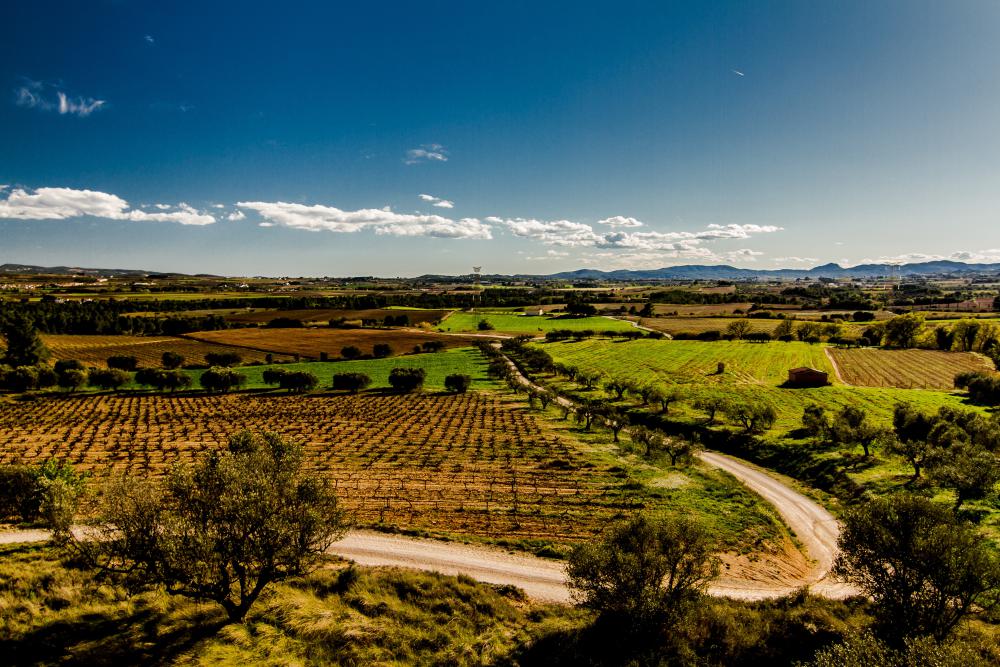
Less than an hour from the centre of Barcelona, the vineyards of the Penedès roll out toward the mountains of Montserrat, and somewhere among them a cellar door is open, a bottle is chilling, and a winemaker is waiting to tell you a story that goes back centuries. This is the home of cava, Spain's great traditional method sparkling wine, and it is one of the easiest and most rewarding day trips you can make from the city.
If you have only ever met cava as the inexpensive fizz poured at a wedding, a visit to the Penedès will change your mind completely. Up close, in the place where it is made, cava reveals itself as a serious, terroir driven wine with real depth, made by families who have worked the same hillsides for generations. This guide is built to help you plan that visit properly. We cover why the Penedès became the heartland of cava, what actually separates cava from Champagne, the native grape that gives the best bottles their soul, and our favourite wineries to visit, from tiny artisan projects to historic family estates. We also explain Corpinnat, walk you through how to get there from Barcelona with or without a car, and answer the questions visitors ask us most often.
Whether you are a committed wine lover or simply looking for a beautiful, relaxed day out of the city, the Penedès delivers. If you would rather skip the planning entirely, our private wine tours from Barcelona handle everything door to door.
Why the Penedès Is the Home of Cava
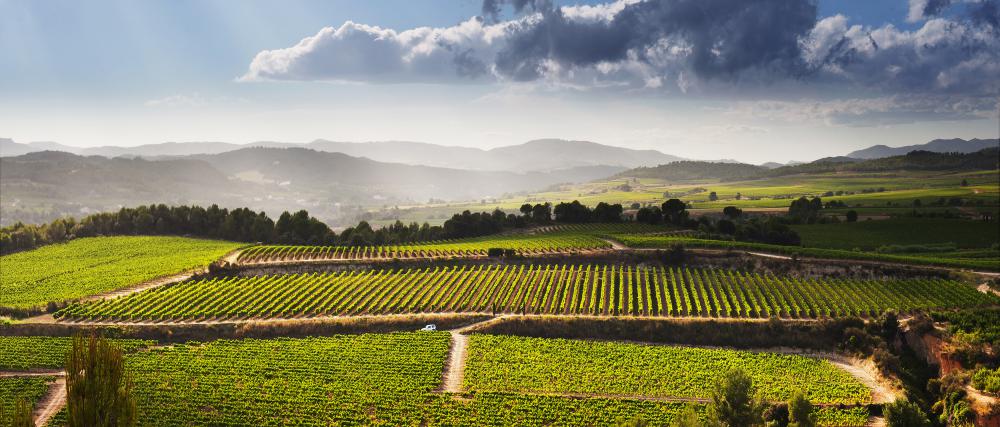
The Penedès sits in a natural sweet spot. It lies between the Mediterranean coast and the inland massif of Montserrat, roughly halfway between sea and mountain, and that position shapes everything about its wines. Warm Mediterranean days ripen the grapes fully, while cooler air drawn down from the hills at night helps the fruit hold onto the freshness and acidity that sparkling wine needs. Add chalky, limestone rich soils that drain well and reflect light back into the canopy, and you have a landscape almost purpose built for growing the grapes that go into cava.
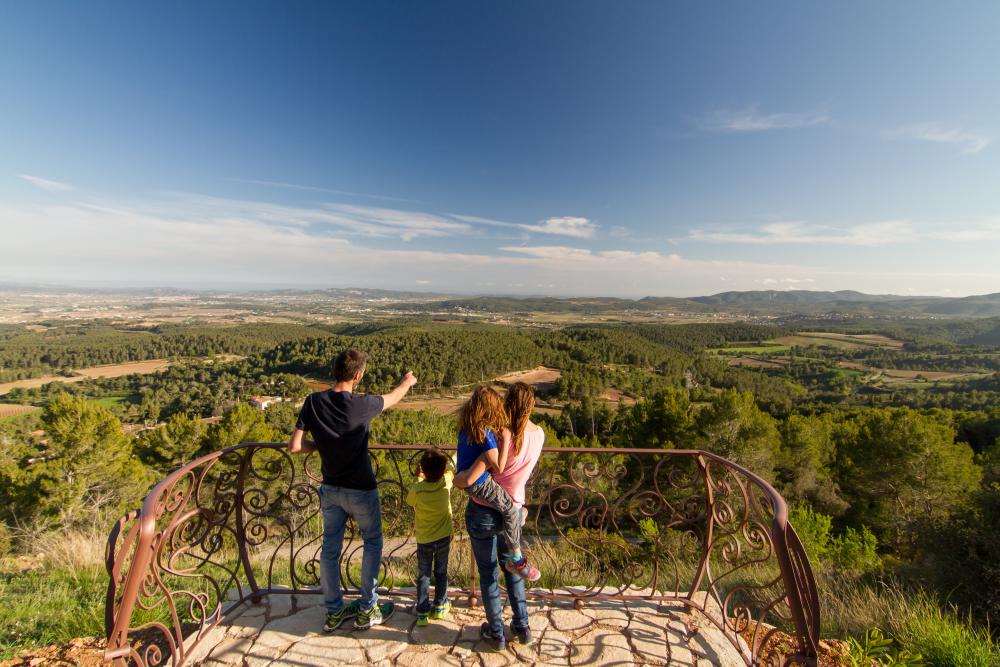
History did the rest. The modern story of cava begins in 1872, when Josep Raventós of the Codorníu family produced the first Spanish sparkling wine using the traditional method he had studied in France. He made it in the town of Sant Sadurní d'Anoia, and that town has been the capital of cava ever since. Today the surrounding district is home to the great cellars, the small family estates, and the cooperative culture that together turn out the overwhelming majority of the world's cava. Roughly 95 percent of all cava is produced in this Catalan zone, now formally recognised within the appellation as the Comtats de Barcelona.
What makes the region so appealing to visitors is the contrast packed into a small area. In the space of a single afternoon you can stand inside a vast, cathedral-like industrial cellar and then drive ten minutes to a family farmhouse where the entire annual production would fit in a corner of it. Sant Sadurní d'Anoia is the beating heart, but the wider Penedès stretches across dozens of villages, each with its own estates: Subirats, Avinyonet del Penedès, Puigdàlber, El Pla del Penedès, Santa Fe del Penedès, and the regional wine capital, Vilafranca del Penedès, where the excellent Vinseum wine museum is worth an hour of anyone's time. All of it sits within easy reach of Barcelona, which is exactly why the Penedès has become one of the most popular wine tourism destinations in Spain.
What Makes Cava Different From Champagne?
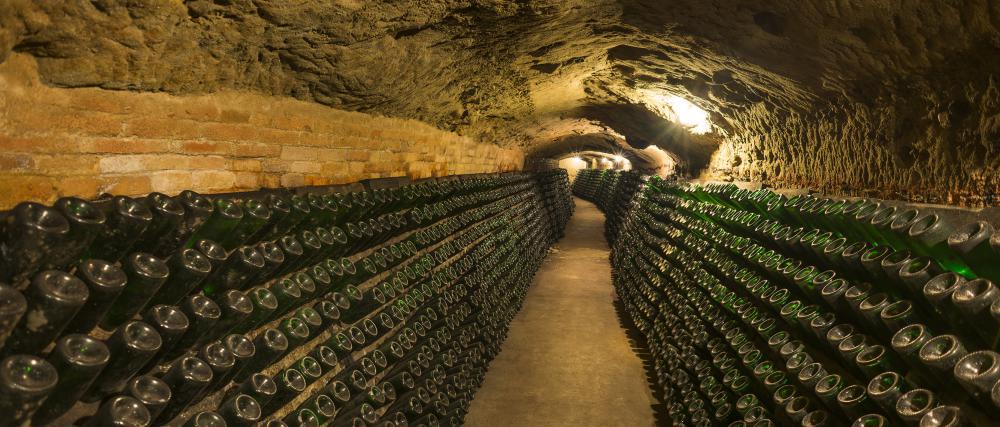
It is the comparison everyone reaches for, and it is a fair one, because cava and Champagne are made the same way. Both are produced using the traditional method, sometimes called méthode champenoise because of its French origins, in which a still base wine undergoes a second fermentation inside the very bottle you eventually buy. That second fermentation is what traps the carbon dioxide and creates the fine, persistent bubbles, and the long contact with the spent yeast (the lees) is what develops those signature aromas of toast, brioche, and baked apple. So when someone tells you cava is made just like Champagne, they are right about the process.
The differences lie in place, grapes, climate, and price. Champagne comes only from the Champagne region in cool, northern France, and it is built on Chardonnay, Pinot Noir, and Pinot Meunier. Cava comes mainly from the warm, sunny Mediterranean climate of the Penedès, and it is built on a trio of native Spanish white grapes: Macabeo, Xarel·lo, and Parellada. That warmer climate tends to give cava a riper, more approachable fruit profile and a softer acidity, where Champagne typically shows a more bracing, high acid edge. Neither is better in the abstract. They are simply different expressions of the same idea, shaped by very different terroirs.
Then there is the matter of value, which is where cava quietly wins a lot of converts. Cava is almost always significantly cheaper than Champagne of comparable quality, and there are good reasons for it that have nothing to do with the wine being inferior. Land and labour in the Penedès cost far less than in Champagne, the appellation does not carry the same luxury branding premium, and many producers use modern technology at scale to keep costs down. The result is that a well made cava can deliver a great deal of what people love about Champagne for a fraction of the outlay. At the very top end, the best single vineyard cavas now competes on quality with serious Champagne, while still costing less.
The takeaway for a visitor is simple: do not approach cava as a cheaper substitute for something else. Approach it as its own wine, with its own grapes and its own sense of place, and the Penedès will reward you.
The Importance of Xarel·lo: The Soul of Great Cava
If you want to understand what makes a great cava taste the way it does, you have to understand Xarel·lo. Of the three traditional grapes, each plays a distinct role. Macabeo brings freshness, gentle floral notes, and easy charm. Parellada, grown in the cooler, higher vineyards, brings delicacy, finesse, and a light, aromatic lift. Xarel·lo brings everything else that matters: structure, body, backbone, and the capacity to age. It is the grape that gives serious cava its spine.
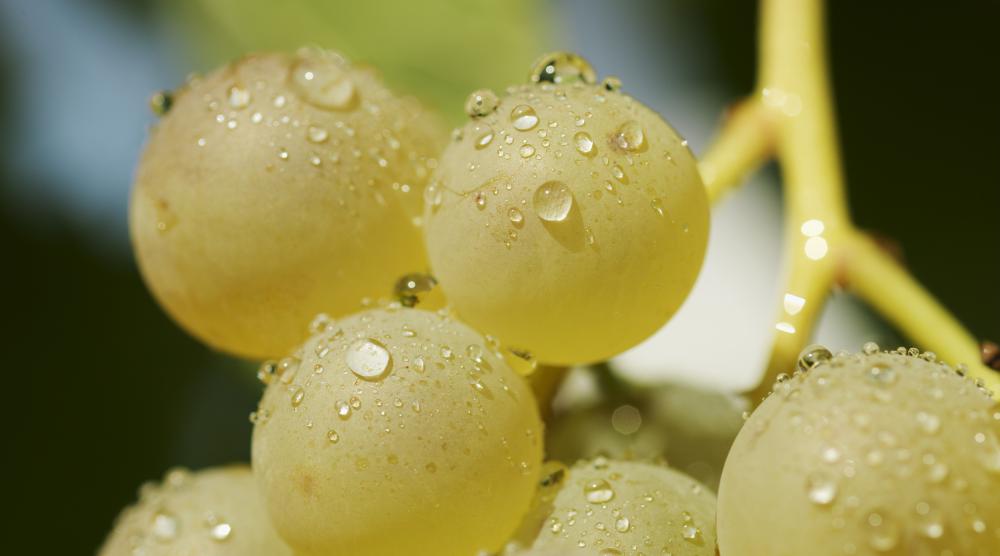
Xarel·lo is essentially native to Catalonia, and it does things here that it does almost nowhere else in the world. The wines it produces have a distinctive personality that can include notes of ripe apple and pear, fennel and wild herbs, citrus zest, a touch of earthiness, and, with bottle age, a wonderful nutty, savoury complexity. It also holds onto acidity well in a warm climate, which is precisely what a sparkling wine needs to stay fresh and lively rather than flabby. In a traditional blend, Xarel·lo is the load bearing wall. Take it away and the wine loses its sense of place and its ability to develop.
This matters more than ever now, because the best producers have leaned into Xarel·lo as a marker of identity and quality. Where industrial cava once treated the grape as one interchangeable component in a high volume blend, the quality minded estates of the Penedès now celebrate it. You will increasingly see cavas that lead with a high proportion of Xarel·lo, and even rare bottlings made almost entirely from old vine Xarel·lo, aged for years on the lees to draw out that savoury depth. When you visit and taste, ask your host about the Xarel·lo in the blend. It is the fastest way to tell whether you are drinking a wine made for character or a wine made for volume.
For visitors, the practical lesson is to seek out producers who farm their own vineyards and prize this grape. Almost every winery in our list below does exactly that, which is a large part of why we recommend them.
Map of the Best Cava Wineries Near Barcelona
The wineries we love are spread across a handful of villages in the Alt Penedès, most of them clustered within a short drive of Sant Sadurní d'Anoia. Having a rough mental map helps enormously when you are planning a route, because the smart way to visit is to pick two or at most three estates that sit close together and link them into a single relaxed day rather than racing across the region.
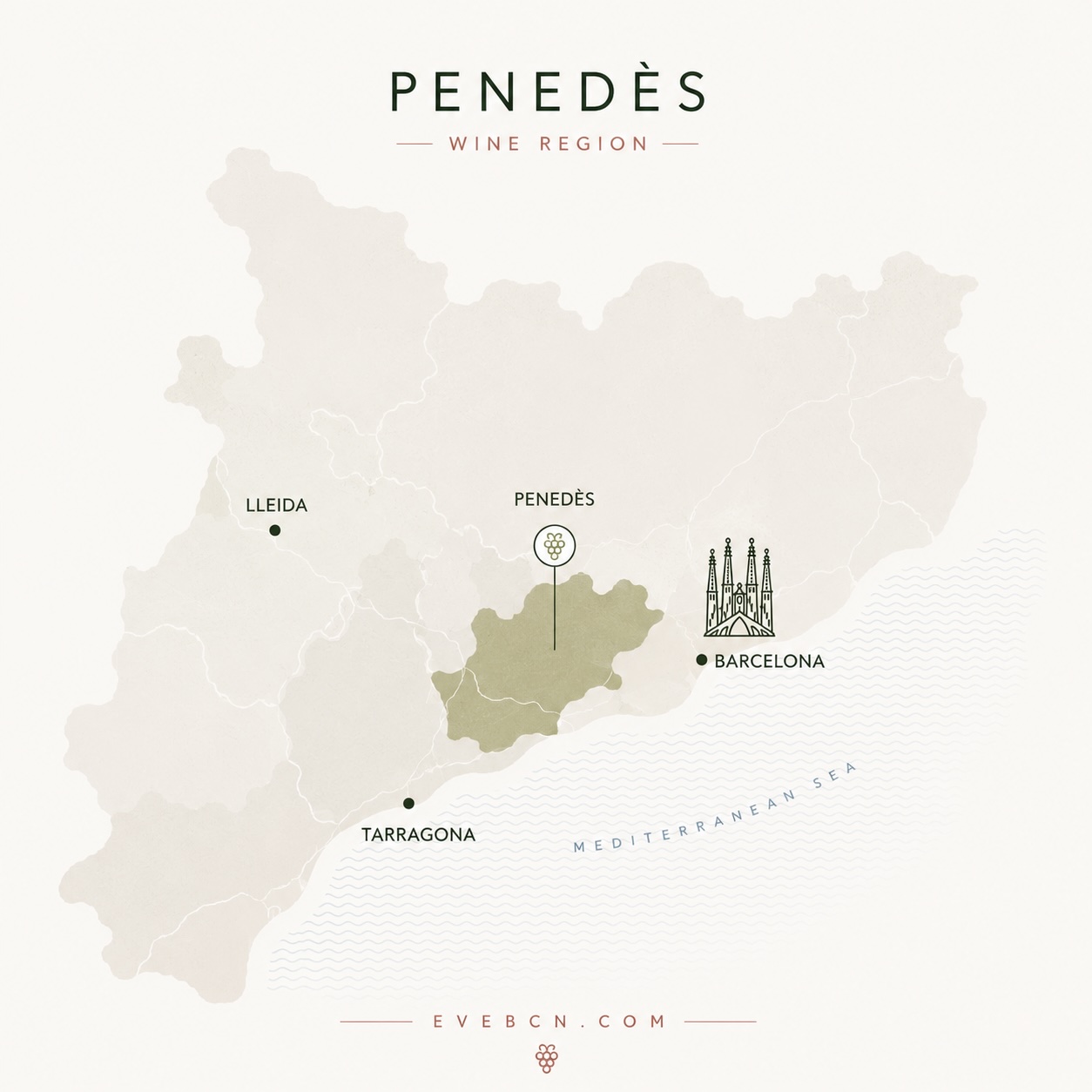
To orient yourself: Vins El Cep sits in Espiells, just outside Sant Sadurní d'Anoia (45 to 55 minutes from Barcelona). Llopart is in Els Casots, Subirats. Eudald Massana Noya is in Sant Pau d'Ordal, also Subirats. Giró del Gorner is in Puigdàlber. ArtCava is in Avinyó Nou, Avinyonet del Penedès. Marc Esteve Vives is in Santa Fe del Penedès. Subirats and Sant Sadurní d'Anoia sit at the centre, with Puigdàlber, El Pla del Penedès, and Santa Fe just to the west, and Avinyonet del Penedès a little to the south. None of them is far from the others.
Our Favourite Cava Wineries
There is no single best winery in the Penedès, because the right choice depends entirely on what you want from the day. Some visitors want history and grandeur, others want to make their own bottle, others want to sit on a terrace with a glass and the family who grew the grapes. The six estates below cover that whole spectrum, and every one of them is a genuinely worthwhile visit.
Marc Esteve Vives
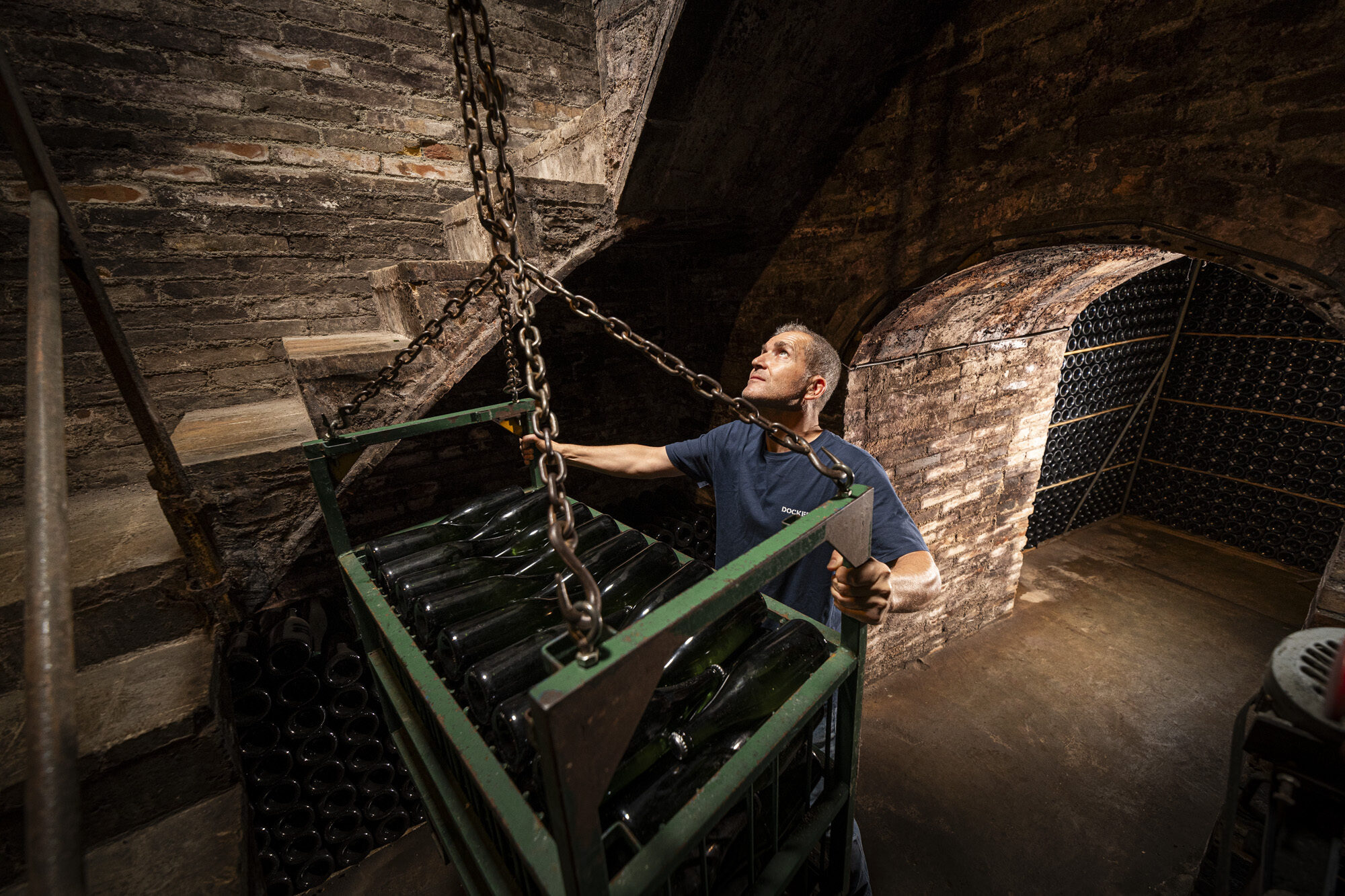
This is the one for travellers who want to meet the person behind the bottle. Marc Esteve Vives is a winemaker rather than a corporation, and his project is run out of the small, historic Forns Raventós cellars in the quiet village of Santa Fe del Penedès. He took on the cellars in the early 2010s and has spent the years since turning a personal passion into a serious artisan label, working with the native Macabeo and Xarel·lo as well as Pinot Noir.
The wines have earned real recognition. His Nódal Gran Reserva Brut Nature took a Gold medal at the Decanter World Wine Awards in 2024, which is no small achievement for a tiny producer, and the broader range, including the Forns Raventós cavas, reflects a careful, hands on approach. If your idea of a great wine experience is conversation and craft rather than crowds, start here — our half-day private cava tour from Barcelona is built around exactly this estate.
PenedèsMarc Esteve Vives, Penedès from Barcelona
Half-Day Private Tour to 1 Family Owned Winery
A private half-day in the Penedès built around Marc Esteve Vives — an artisan cava producer in the historic Forns Raventós cellars — with a guided tasting and hotel pick-up in a Tesla Model Y.
- Private Tesla Model Y transfer from Barcelona
- Visit to Marc Esteve Vives family winery
- Guided cava and wine tasting
- Vineyard walk in the Penedès
From
€150/ person
Vins El Cep
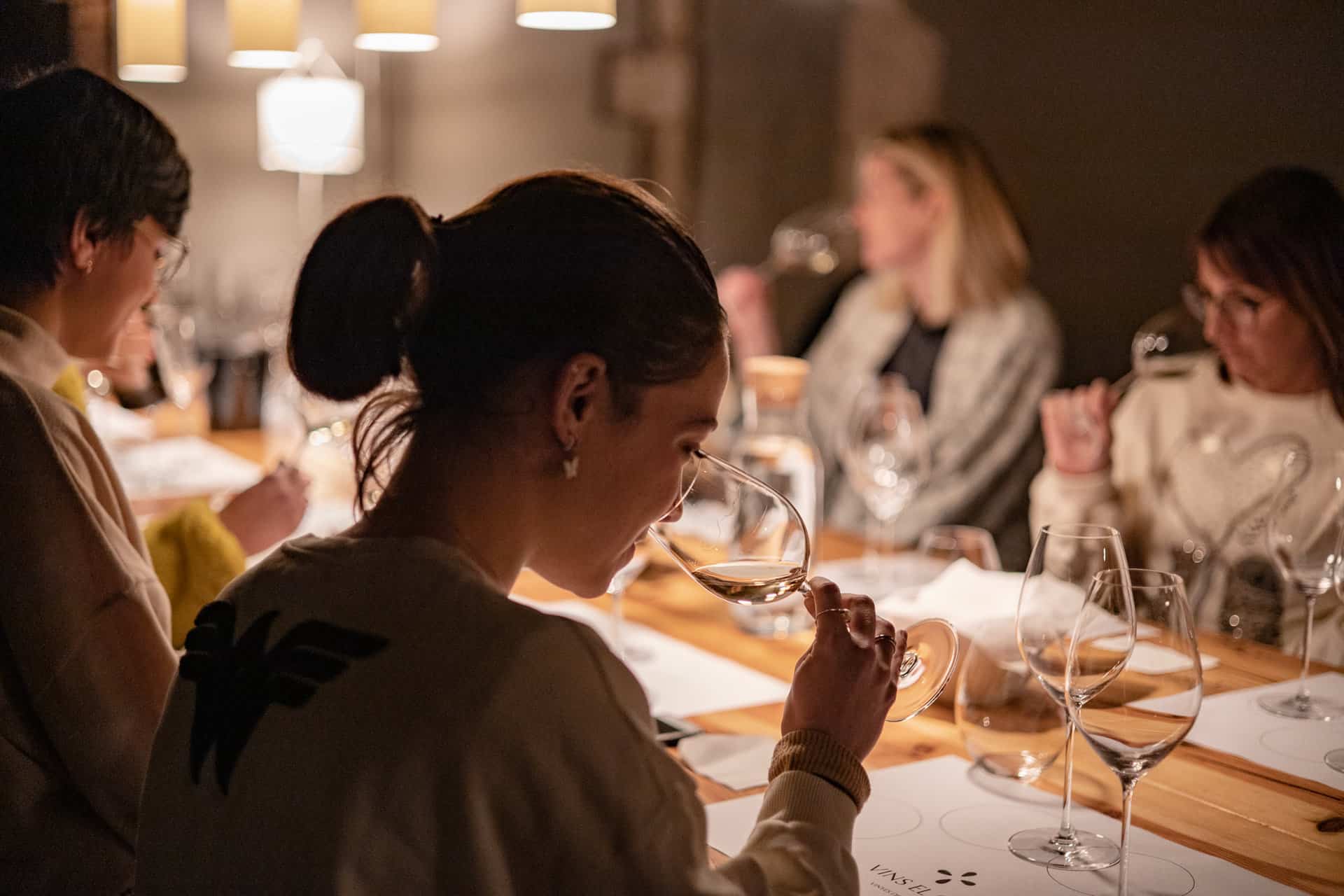
Vins El Cep is a wonderful illustration of how cooperation built quality in the Penedès. It was founded in 1980 when four neighbouring families, the Carreras, Esteve, Masana, and Parera, joined forces, pooling estates whose roots in the area stretch back to the fifteenth and sixteenth centuries. The winery sits on the historic Can Llopart de les Alzines estate in Espiells, just outside Sant Sadurní d'Anoia, surrounded by the roughly 200 hectares of vineyard the families farm.
Their real distinction is environmental. Vins El Cep were pioneers of organic farming in the Penedès, converting early in the 2000s, and they released one of the region's first biodynamic cavas, with part of the estate certified biodynamic by Demeter. Rather than leave the appellation, they chose to stay within DO Cava and push for higher standards from the inside. Their cava brands include Claror, Clos Gelida, Mim Natura, and L'Alzinar. Visits are warm and well organised, often paired with local cheeses, and need to be booked in advance. It is also one of the two wineries featured on our Ultimate private wine and cava tour from Barcelona.
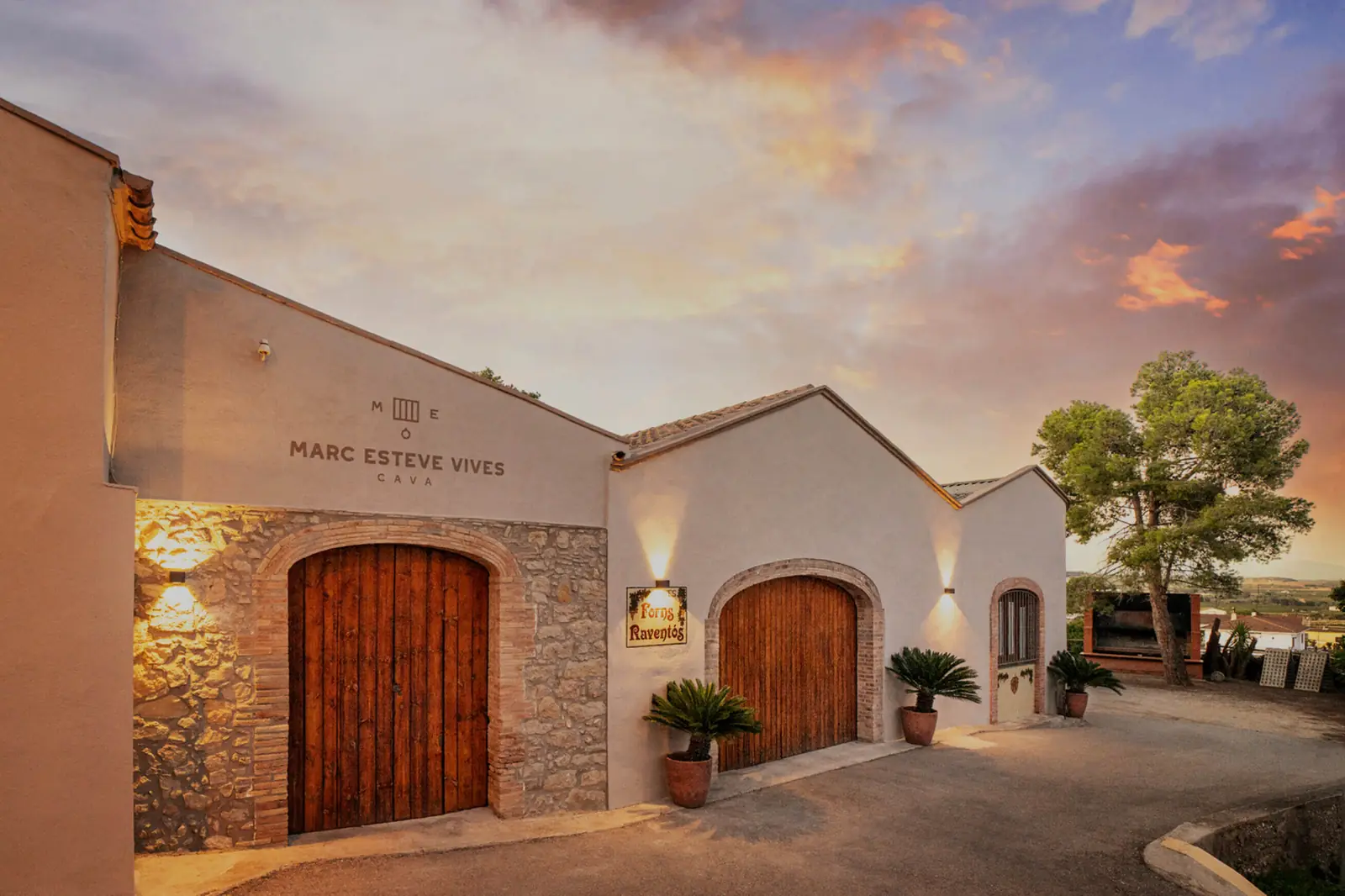 Penedès
Marc Esteve Vives & Vins El Cep from Barcelona
Ultimate Private Wine & Cava Tour
A fully private day visiting two family-owned wineries in the Penedès — Marc Esteve Vives and Vins El Cep — with cava and still wine tastings, a Catalan brunch and hotel pick-up in Barcelona in a Tesla Model Y.
- Private Tesla Model Y transfer from Barcelona
- Visits to Marc Esteve Vives and Vins El Cep
- Cava and still wine tastings
- Catalan brunch with vineyard views
From
€185/ person
Llopart
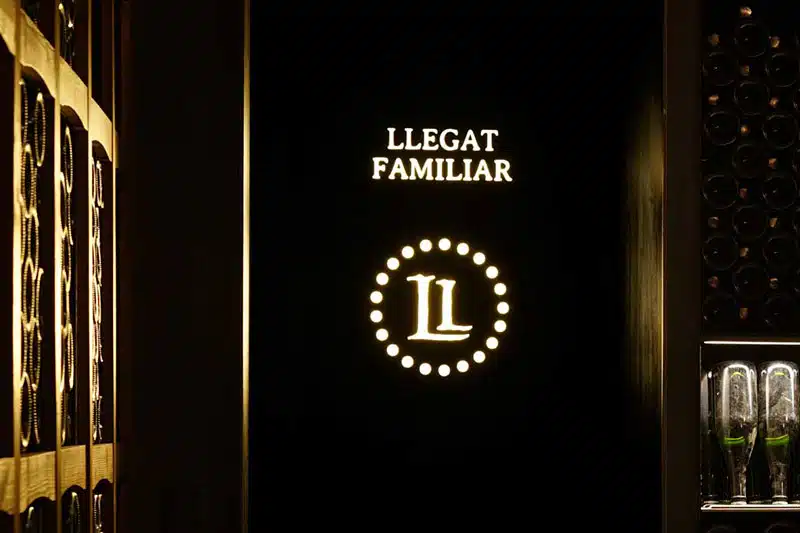
If you want history, Llopart delivers it by the century. The family's documented link to its land in Subirats goes back to 1385, when an ancestor named Bernardus Leopardi was granted vineyards at what is still the Can Llopart estate, and the family counts more than twenty six generations of winegrowers. They produced their first sparkling wine on the estate in 1887, making this one of the oldest names in the entire cava story, and they pushed firmly into quality cava production from the 1950s onward.
Today Llopart farms around 90 to 100 hectares of organic vineyards on high, beautiful hillside parcels at roughly 340 to 380 metres, on limestone soils studded with marine fossils. The fruit is hand harvested, much of the range is bottled as Brut Nature with long ageing, and the wines have a real sense of place. Llopart is also a founding member of Corpinnat, the breakaway group of premium producers we explain below, so its top bottles now carry the Corpinnat name rather than cava. The modern winery is set into the hillside with sweeping views toward Montserrat — and pairs beautifully with our private Montserrat tour from Barcelona.
Giró del Gorner
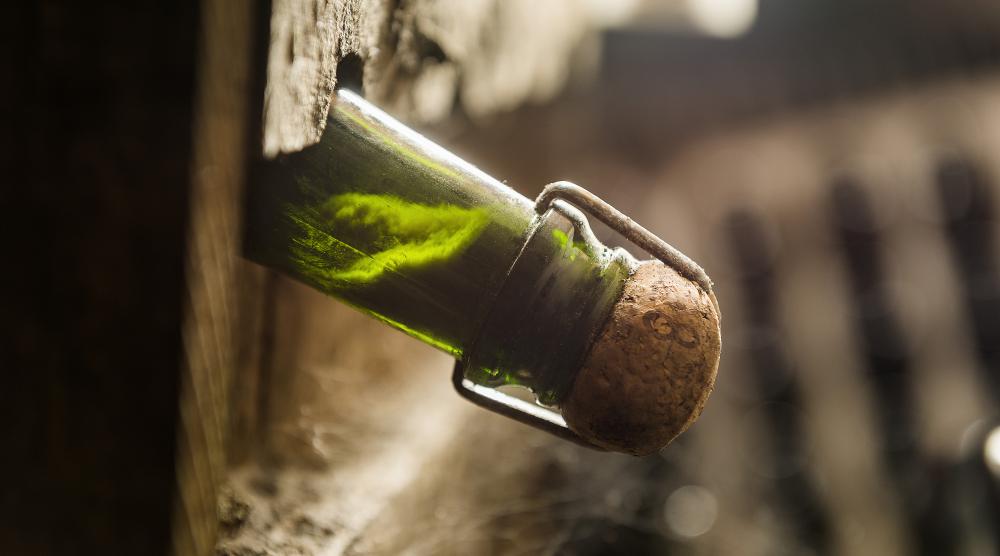
Giró del Gorner is the picture postcard family masia experience. The estate is built around a classic Catalan manor farmhouse near the small village of Puigdàlber, set in an isolated, peaceful spot with vineyards rolling away in every direction. The family has worked here across five generations and more, farming around 48 hectares across Puigdàlber, El Pla del Penedès, and Subirats, and they make their wines and cavas only from their own estate grown grapes, both whites such as Macabeo, Xarel·lo, Parellada, and Chardonnay, and reds including Pinot Noir.
What visitors consistently love here is how relaxed and personal it feels. Tours are unhurried and tailored to the group, and the tastings are often enjoyed on a shaded terrace looking straight out over the vines that produced the wine in your glass. The winery is organic, pet friendly, and set up for cyclists, with the option to ride through the vineyards as part of a visit. Tasting with cheese and local snacks rounds out the experience. If you want something genuinely intimate, family run, and beautiful, with none of the corporate gloss, Giró del Gorner is hard to beat.
ArtCava
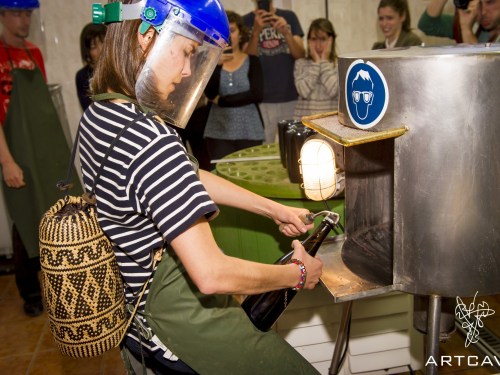
ArtCava is the most hands-on and interactive experience on this list, and it is a fantastic choice for groups, families, and anyone who likes to do rather than just watch. The winery occupies the Masia Can Batlle, a farmhouse with very deep historic roots, and the Batlle family have been making wine here since the 1700s. The signature offering is the chance to make and seal your own bottle of cava, complete with a personalized label, so you go home with something you helped create.
Beyond the create your own concept, ArtCava runs guided tours and tastings paired with local products, and much of the charm is in the setting and the welcome. There is a lovely terrace shaded by mulberry trees, the hosts are repeatedly singled out for their warmth, and the wines are made cleanly in a Brut Nature style with no expedition liqueur added. The estate sits near the Lavern-Subirats train station, around forty minutes from Barcelona Sants, and the team can help arrange a transfer from the station if you contact them ahead, which makes it one of the more car free friendly options. Book in advance, because the experiences are popular and fill up.
Eudald Massana Noya
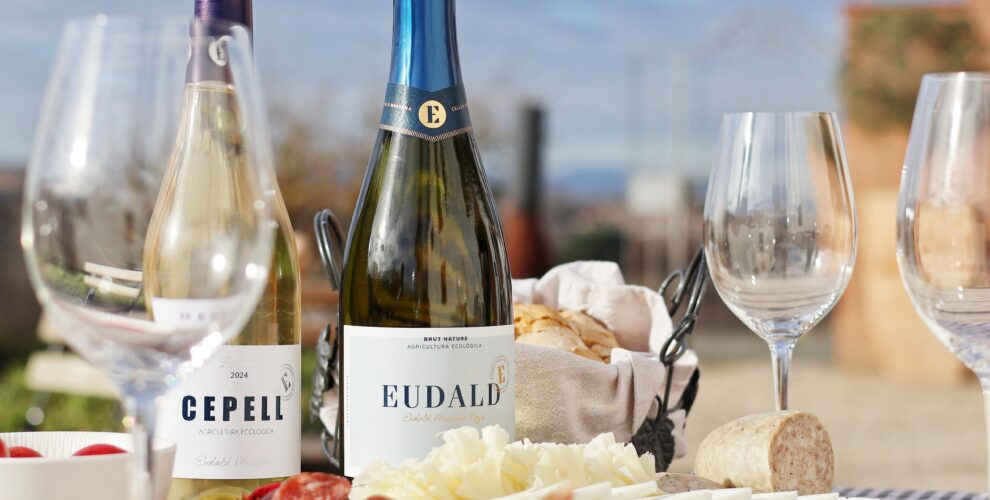
Eudald Massana Noya is for visitors who want depth, authenticity, and a strong dose of nature. This is a true family estate at Finca El Maset in Sant Pau d'Ordal, part of Subirats, with a farmhouse dating back to the 1600s and nine generations of the Massana family behind it. They farm around 30 hectares organically and biodynamically, certified by Demeter, and they were early movers on organic viticulture in the area, making their wines and cavas only from their own estate fruit across a dozen grape varieties.
The setting is part of the appeal. The estate is surrounded by vineyards and woodland with views toward the monastery of Sant Sebastià dels Gorgs, and the whole visit has a quiet, grounded, away from it all feeling. The family, led by Eudald Massana and Ester Tous, opens the farmhouse personally, and a highlight for many is the atmospheric old grandparents' cellar with its ageing wines. A typical visit runs around an hour and a half, with a guided tour and a tasting of three cavas or wines alongside a seasonal local aperitif, and there is a relaxed garden wine bar plus the option of a winery breakfast. Choose this one for sincerity, sustainability, and a real sense of place.
Family-Owned Wineries vs Large Cava Houses
One of the first things to understand before you plan a visit is that not all cava is made by the same kind of producer, and the difference shapes the wine in your glass and the experience you have on site. At one end sit the large cava houses. The appellation as a whole produces somewhere in the region of 200 million bottles a year, and a very large share of that volume comes from a small number of major companies. These big houses are genuinely impressive in their own way. They offer slick, well organised tours, often inside spectacular architecture, with multilingual guides, museum displays, sometimes a little train through the cellars, and the reassuring polish of an operation that welcomes thousands of visitors. If you want a grand, easy, crowd friendly introduction to how cava is made at scale, they do it very well.
At the other end sit the family estates, and this is where our hearts are. These are growers who own and farm their own vineyards, often organically, frequently across many generations, and who make a comparatively tiny amount of wine. The trade off is real. A family estate cannot match the production scale, the marketing reach, or sometimes the sheer spectacle of a major house. What it offers instead is authenticity, intimacy, and a direct line to the people and the land. You will often be shown around by a family member or the winemaker, you will taste in a farmhouse or on a terrace rather than a visitor centre, and the wine you drink will be an expression of a specific place rather than a blend assembled for consistency across millions of bottles.
There is no wrong answer here, and the two are not mutually exclusive. A great Penedès day can include one of each: a large house in the morning for scale and context, a family estate in the afternoon for soul. But if you have time for only one or two stops and you want the kind of experience you will still be talking about months later, we steer almost everyone toward the small, estate grown, family run producers. Every winery in our list above falls into that category, which is precisely why we chose them. The movement toward quality, organics, and single estate identity that now defines the best of the Penedès was driven largely by exactly these growers, and the most visible expression of that drive is Corpinnat.
What Is Corpinnat?
Corpinnat is the single most important development in the recent history of Penedès sparkling wine, and understanding it will make you a far more informed visitor. In short, it is a quality focused collective brand created by a group of premium growers who concluded that the cava appellation, as a whole, had become too broad to communicate the quality and origin of their wines.
The background is a long running tension within DO Cava. Because the appellation defines a method of production more than a tightly drawn place, and because it stretches across several regions of Spain, an inexpensive, high volume, industrially farmed cava and a hand harvested, organically grown, estate vinified cava could both carry exactly the same word on the label. A number of the most respected small producers felt this blurred a distinction that mattered enormously. After years of pushing unsuccessfully for change from within, nine of them formally broke away from the cava appellation in 2019 and began labelling their wines as Corpinnat instead.
The name itself is telling. It comes from Catalan roots meaning the heart of the Penedès, and the rules behind it are strict. To use the Corpinnat name, a producer must farm 100 percent organically, harvest entirely by hand, vinify the wine completely on its own premises, age it for a minimum of eighteen months, pay growers a guaranteed minimum price for grapes, and work predominantly with native varieties. Compliance is checked through independent annual audits, including one carried out during the harvest itself. These requirements are demanding enough that the largest industrial producers cannot meet them, which is rather the point. The founding members included some of the most celebrated names in the region, among them Gramona, Recaredo, Nadal, Torelló, Sabaté i Coca, and our recommended estate Llopart, and the group has continued to develop since.
It is worth being even handed here, because the cava appellation has not stood still. In response to these pressures, DO Cava introduced significant reforms of its own. It now divides production into geographic zones, with the Catalan heartland recognised as Comtats de Barcelona and further split into sub zones, and it created a clearer quality ladder. Entry level wines aged at least nine months are labelled Cava de Guarda, while wines aged longer fall under Cava de Guarda Superior, which covers Reserva (at least eighteen months), Gran Reserva (at least thirty months), and the rare single vineyard Cava de Paraje Calificado (at least thirty six months). All Cava de Guarda Superior is now required to be 100 percent organic. The appellation also introduced an integral producer designation for wineries that carry out the entire process on their own estate.
For a visitor, the practical message is reassuring. You do not need to take sides in an industry dispute. Both paths, Corpinnat and the upper tiers of DO Cava, now point you toward organically farmed, estate focused, properly aged sparkling wine. When you see Corpinnat on a bottle, or Cava de Guarda Superior with a single estate behind it, you are looking at a wine made to a high standard. The wineries in this guide sit firmly in that quality world, whichever label they have chosen.
How to Visit the Best Cava Wineries From Barcelona
The Penedès is one of the most accessible wine regions in Europe, and you have two good ways to reach it from Barcelona. Which one suits you depends mainly on how much you want to drink and how much freedom you want over your route.
By car, the journey is short and simple. Most of the wineries in this guide are around 45 minutes to an hour from central Barcelona via the AP-7 and A-2 motorways, and driving gives you total flexibility to link two or three estates and to reach the more remote farmhouses that sit down country lanes. The obvious catch is that someone has to stay sober. Spanish drink driving limits are strict and the roads back into the city are busy, so if you drive, you need a designated driver who tastes little or nothing. For many couples and groups, that single constraint is what tips them toward a guided option instead.
By train, the region is genuinely reachable without a car, which surprises a lot of visitors. The Renfe Rodalies R4 line runs from central Barcelona stations, including Plaça Catalunya, Passeig de Gràcia, and Sants, out to Sant Sadurní d'Anoia in roughly 45 minutes and on to Vilafranca del Penedès in around 55 minutes. Both towns are walkable and full of wine culture in their own right, and Sant Sadurní in particular puts you within striking distance of several cellars. The important caveat is that many of the smaller family estates are not within walking distance of a station, sitting instead amid the vineyards. Some wineries, including ArtCava, will help arrange a transfer from the nearest station if you ask in advance, so it pays to contact them directly when you book.
A few practical pointers apply whichever way you travel. Always book your visit ahead of time, because the small estates are appointment only and the popular slots fill quickly, especially on weekends. Aim for spring or autumn if you can, when the weather is comfortable and the vineyards look their best, and remember that the harvest in late August and September is a magical but very busy time to see the winery actually at work. Wear comfortable shoes, since you will be walking among vines and around cellars, bring a layer because cellars are cool year round, and build in time for a long Catalan lunch, which is half the pleasure of a day in the Penedès. Finally, plan no more than two or three wineries in a day. Cava tastings are generous, the estates deserve unhurried time, and trying to cram in more turns a lovely day into a rushed one.
Private Cava Tours From Barcelona
For a lot of visitors, the simplest and most rewarding way to experience the Penedès is to let someone else handle the logistics with a private tour from Barcelona. It is not the only way to do it, but it solves the two problems that most often get in the way of a great day: driving and access.
The driving issue is the obvious one. On a private tour, everyone in your group gets to taste freely, because a professional handles the wheel and the route. That alone transforms the day for couples and groups of friends, turning a question of who stays sober into a non issue. Just as importantly, a good guided tour opens doors that can be hard to open on your own. The best small family estates are appointment only and sometimes tricky to book directly, particularly if you do not speak Spanish or Catalan, and an established tour operator already has the relationships and the slots. You also gain context. A knowledgeable guide fills the drive between vineyards with the history, the grapes, and the stories that make the wines come alive, so you arrive at each cellar understanding what you are about to taste.
A private tour also means the day is built around you. Rather than joining a fixed group itinerary, you can shape the visit to your interests, whether that is a deep dive into organic and biodynamic estates, a relaxed lunch with a view, a hands on bottle making session, or a mix of one grand house and one intimate family cellar. For special occasions, anniversaries, or simply a treat, that tailored, door to door quality is hard to match.
If you are weighing up a private tour, look for an operator that works with genuine small producers rather than only the big visitor centres, that includes hotel or city centre pickup, and that keeps group sizes small enough to feel personal. That is exactly how we built our private wine experiences from Barcelona — silent Tesla travel, family-owned cellars, and no more than four guests per day.
Frequently Asked Questions About Wineries Near Barcelona
Plan your journey
Experience the Penedès privately
Discover the wineries in this guide on a fully private journey from Barcelona — silent Tesla travel, family-owned cellars and unhurried tastings.