
Penedès sits between the Mediterranean coast and the Catalan pre-coastal mountains, a region where viticulture has shaped daily life for more than two thousand years. Rolling vineyards, small villages and a long tradition of family-owned wineries make it one of Spain's most rewarding wine destinations — and the closest serious wine country to Barcelona.
Below is a complete journey through Penedès — its history, its grapes, the art of cava and the most memorable ways to experience the region on a private day from the city.
The History of Wine Production in Penedès
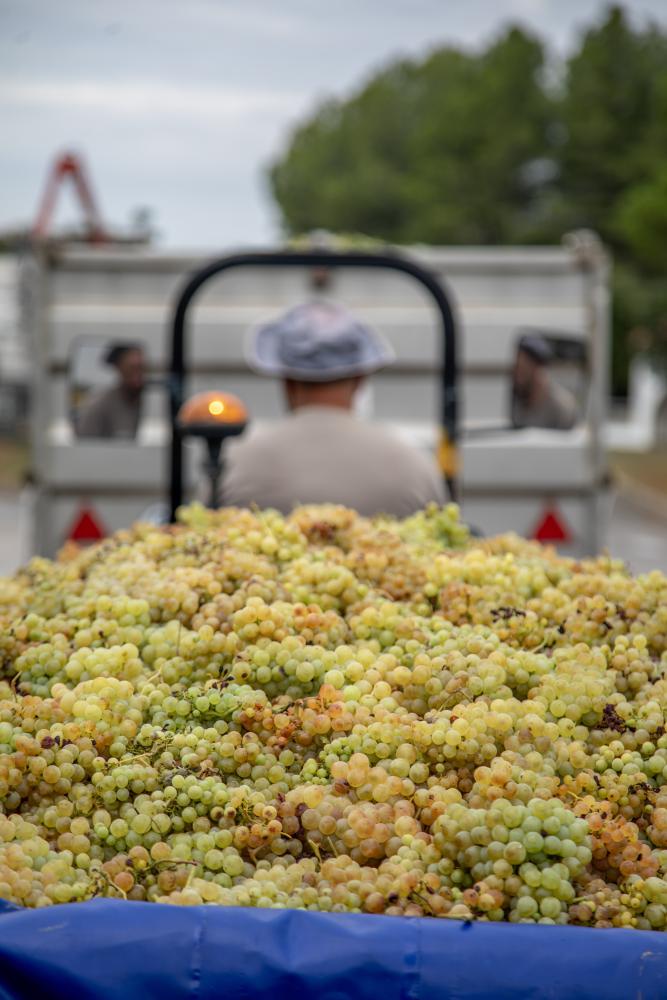
Winemaking in Penedès dates back to the Phoenicians, who introduced the first vines to these hills. By the time the Romans arrived, viticulture was firmly established, and ancient stone wine presses can still be found scattered across the region today.
During the Middle Ages, local monasteries refined vinification techniques and carefully preserved grape varieties. Penedès wines were already prized for their quality and ability to age, laying the foundation for the region's modern reputation.
The late nineteenth-century phylloxera plague devastated European vineyards, and Penedès was no exception. Local growers replanted with resistant rootstocks, and the twentieth century brought cooperatives and the creation of the Penedès Denomination of Origin in 1960 — a turning point that protected the region's identity and opened the door to today's wave of innovation.
Key Grape Varieties Grown in Penedès
Thanks to its mosaic of microclimates and soils, Penedès cultivates an unusually wide range of grape varieties. A few stand out:
- Xarel·lo — the cornerstone of cava, with bright acidity, floral aromas and great aging potential.
- Macabeo (Viura) — fresh and crisp, with notes of green apple, citrus and herbs.
- Parellada — delicate and floral, the third pillar of traditional cava blends.
- Tempranillo (Ull de Llebre) — versatile red, from young and fruity to complex oak-aged styles.
- Garnacha — full-bodied reds with red berry, spice and earthy character.
International varieties such as Cabernet Sauvignon, Merlot, Syrah, Chardonnay and Pinot Noir have also found a home here, adding further depth to the region's portfolio.
The Art of Cava: Understanding Catalonia's Sparkling Wine
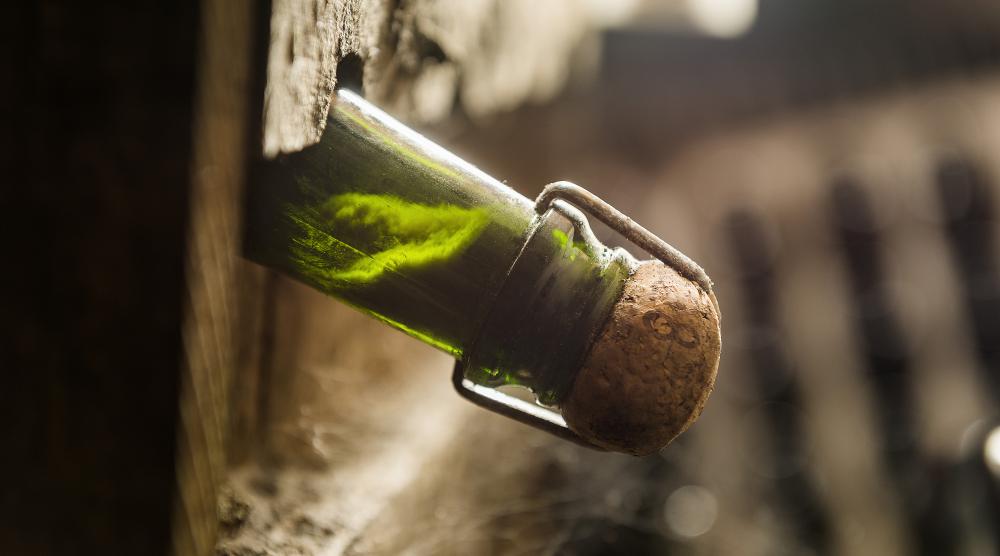
Cava is Penedès' most celebrated contribution to the world of wine. It is made using the traditional method — the same process used for Champagne — with a second fermentation in the bottle that creates its fine, persistent bubbles.
The classic blend brings together Xarel·lo for structure, Macabeo for freshness and Parellada for floral elegance. Some producers also incorporate Chardonnay or Pinot Noir for added complexity. After bottling with a small amount of sugar and yeast, the wine ages on its lees for anywhere from nine months to several years, gaining toasty depth.
Once aging is complete, the bottles are disgorged and a final dosage determines the style — from bone-dry Brut Nature to the gently sweet Demi-Sec. Each style offers a different window into the same remarkable terroir.
Notable Wineries to Visit in Penedès
Bodegas Torres
A family-owned estate producing wine across generations, Torres is celebrated for its commitment to sustainability and innovation. Visits combine vineyard walks, cellar tours and tastings that show the full diversity of the Penedès terroir.
Codorníu
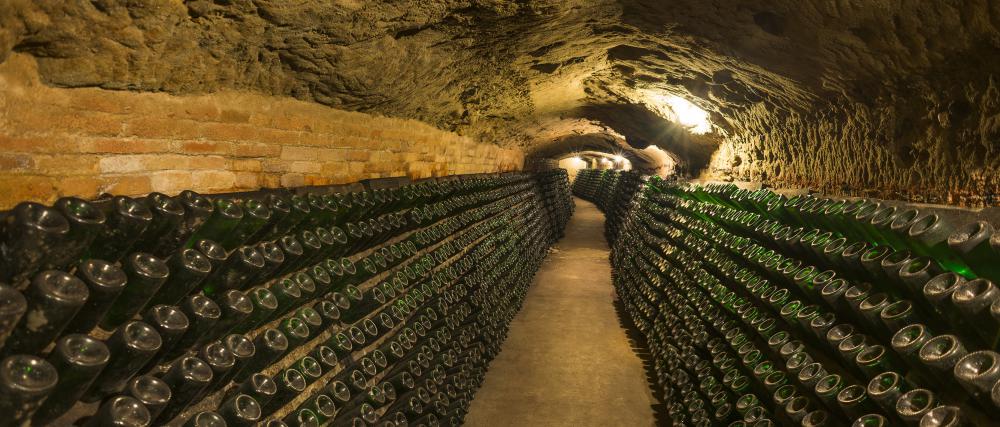
One of the oldest and most prestigious cava producers in Spain, set within a modernist estate designed by architect Josep Puig i Cadafalch. The vast underground cellars are a destination in themselves.
Albet i Noya
A pioneer of organic viticulture in Spain since the 1970s, Albet i Noya offers a quieter, more intimate experience — small tastings, beautiful vineyards and a clear sense of place in every bottle.
Wine Tasting Experiences: What to Expect

A winery visit in Penedès is an immersive experience. Most cellars offer guided tours that begin in the vineyards — a walk among the vines, an introduction to the grape varieties and a feel for the soil before tasting anything at all.
From there, visits move into the cellars, where barrels, tanks and bottles tell the story of fermentation and aging. The final stop is the tasting room, where a thoughtful flight of whites, reds and cavas is poured with context, alongside local cheeses and cured meats.
For travelers who prefer a fully private setting, our private experiences from Barcelona arrange unhurried tastings at family-owned wineries with silent Tesla transport throughout the day.
Culinary Delights: Pairing Penedès Wines with Local Cuisine
Penedès wines come fully alive at the table. A few classic Catalan pairings are worth seeking out:
- Pa amb tomàquet — rustic bread with tomato and olive oil, beautifully cut by a crisp Xarel·lo or Macabeo.
- Escudella i carn d'olla — a hearty stew that finds its match in a structured Tempranillo or Garnacha.
- Calçots with romesco — chargrilled spring onions, ideal alongside a cold glass of Brut Nature cava.
- Aged Catalan cheeses and cured sausages — a slow, generous pairing for both whites and reds.
Exploring the Scenic Landscapes of Penedès
Beyond the vineyards, Penedès offers rolling hills, fertile plains and a quiet coastline. Cycling routes and walking trails weave through the vines, while the nearby Garraf Natural Park brings limestone cliffs, Mediterranean forest and panoramic views above the sea.
The towns add another dimension to a visit. Vilafranca del Penedès, the regional capital, mixes Gothic architecture with a lively market culture, while Sant Sadurní d'Anoia — the cava capital — is home to historic cellars and the Cava Interpretation Centre.
For a wider view of the region's character beyond the cellars, our guide to the Penedès wine region explores its landscapes, villages and producers in more depth.
Tips for Planning Your Wine Tour in Penedès
- Book ahead — most quality wineries are by appointment only, especially on weekends.
- Mix scales — combine a larger historic producer with a small family-run estate for contrast.
- Plan transport — driving is possible but a private driver or a private tour allows everyone to taste.
- Dress comfortably — vineyard paths and cellars call for flat shoes and a light layer.
- Ship purchases home — many wineries arrange international shipping, so you can travel light.
If you'd prefer to leave the logistics entirely to us, our private wine tour from Barcelona handles every detail — winery reservations, driving, timing and the small touches in between.
Conclusion: Embracing the Wine Culture of Penedès
Penedès is a place where centuries-old tradition and quiet innovation share the same hillside. Between the cava cellars, the family estates and the scenery that surrounds them, the region rewards travelers who arrive curious and slow down once they're here.
Whether you are a seasoned wine lover or simply discovering Catalan wine for the first time, a thoughtful day in Penedès — paired with a visit to Montserrat or simply with the long lunch that the region is known for — is one of the most memorable journeys you can take from Barcelona.
Frequently Asked Questions About Wineries Near Barcelona
Plan your journey
Experience the Penedès privately
Discover the wineries in this guide on a fully private journey from Barcelona — silent Tesla travel, family-owned cellars and unhurried tastings.