
Tucked into the rugged hills of southern Catalonia, Priorat is one of Spain's most singular wine regions — a place where steep terraced vineyards, slate soils and a handful of visionary winemakers come together to produce reds of remarkable depth.
Less commercial than the Penedès and more dramatic in landscape, Priorat rewards travelers willing to slow down. Below is a complete guide to its terroir, top wineries and the most memorable ways to experience it on a private journey from Barcelona.
The Unique Terroir of Priorat
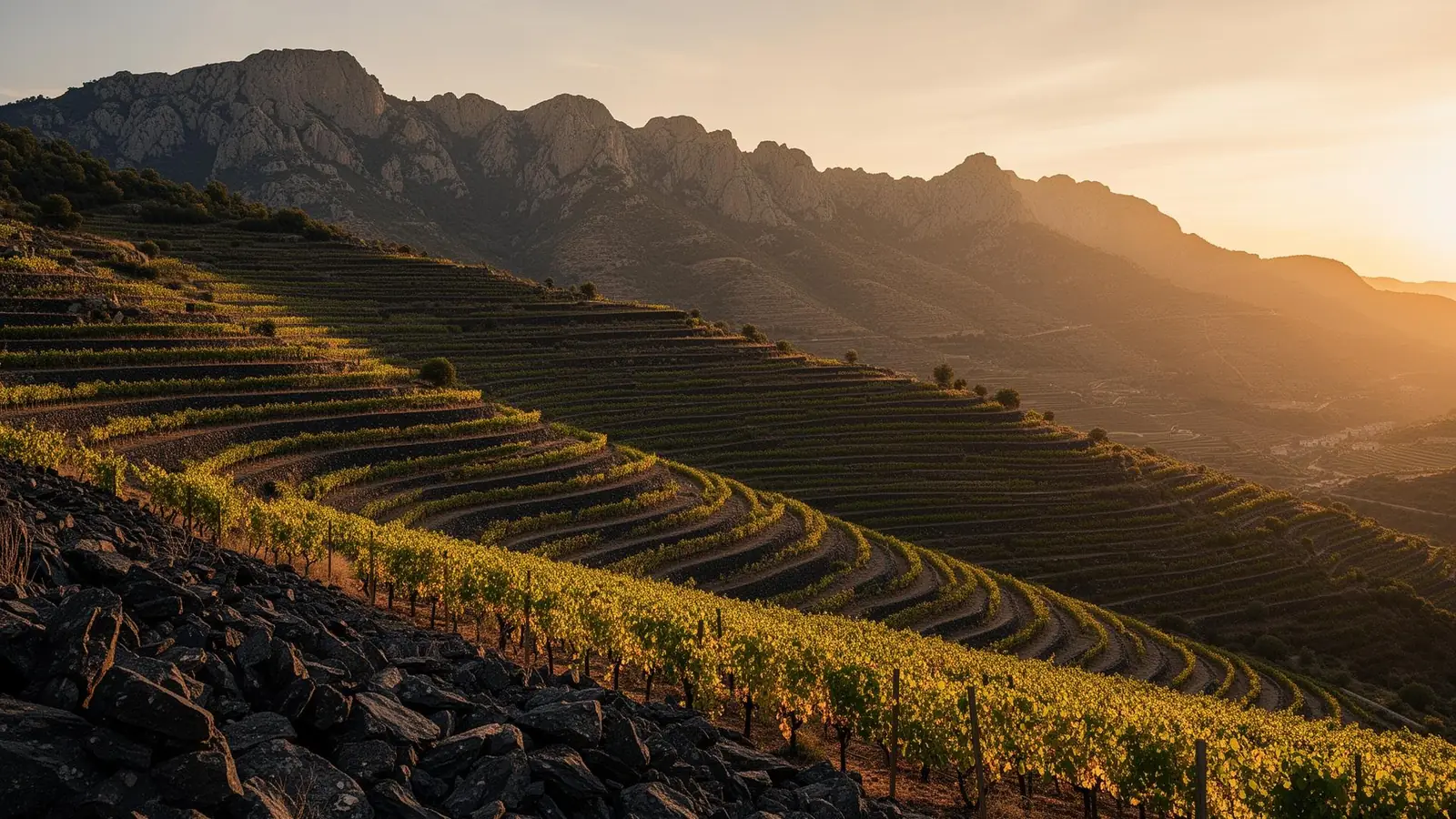
Nestled in the heart of Catalonia, Priorat is defined by its rugged topography — steep hills, terraced vineyards and a soil unlike anywhere else in Spain. That soil, called llicorella, is a layered black slate that reflects heat by day, retains it by night and forces vines to root deep through fissures of rock in search of water.
The Mediterranean climate adds another layer of complexity. Hot dry summers and mild winters favor slow ripening, while the cooling Garbinada wind from the sea moderates extremes and prevents the grapes from baking. The result is fruit of intense concentration and notable freshness.
Water is scarce and the rocky soil drains aggressively, so vines struggle for every drop. That struggle is precisely what gives Priorat wines their density, minerality and unmistakable sense of place.
A Short History of Winemaking in Priorat
Winemaking in Priorat dates back to the 12th century, when Carthusian monks at the Scala Dei monastery first planted vines on these slopes. For centuries, viticultural knowledge was passed down quietly through generations of small village families.
The late nineteenth-century phylloxera plague devastated the region, and many vineyards were abandoned. Priorat became one of Spain's forgotten corners — beautiful, remote and economically fragile.
The turning point came in the 1980s and 1990s, when a small group of pioneers — among them René Barbier and Álvaro Palacios — replanted old terraces and reimagined what these slate hills could produce. Their work, often called the Priorat Renaissance, returned the region to the global wine map and established it as one of only two Spanish DOQ (Denominació d'Origen Qualificada) regions, alongside Rioja.
Notable Grape Varieties of Priorat
Priorat is, above all, a red wine region. Two native varieties dominate:
- Garnatxa (Grenache) — generous, fruit-forward and rich, providing the backbone of most Priorat blends.
- Carinyena (Carignan) — structured, mineral and age-worthy, often from old bush vines clinging to the slate.
Many wineries also work with smaller plantings of Syrah, Cabernet Sauvignon and Merlot, blended in to add complexity. White wines, though far less common, are produced from Garnatxa Blanca and Macabeu and tend to be aromatic, taut and decidedly mineral — a quiet pleasure when you find them.
Top Wineries to Visit in Priorat
Clos Mogador
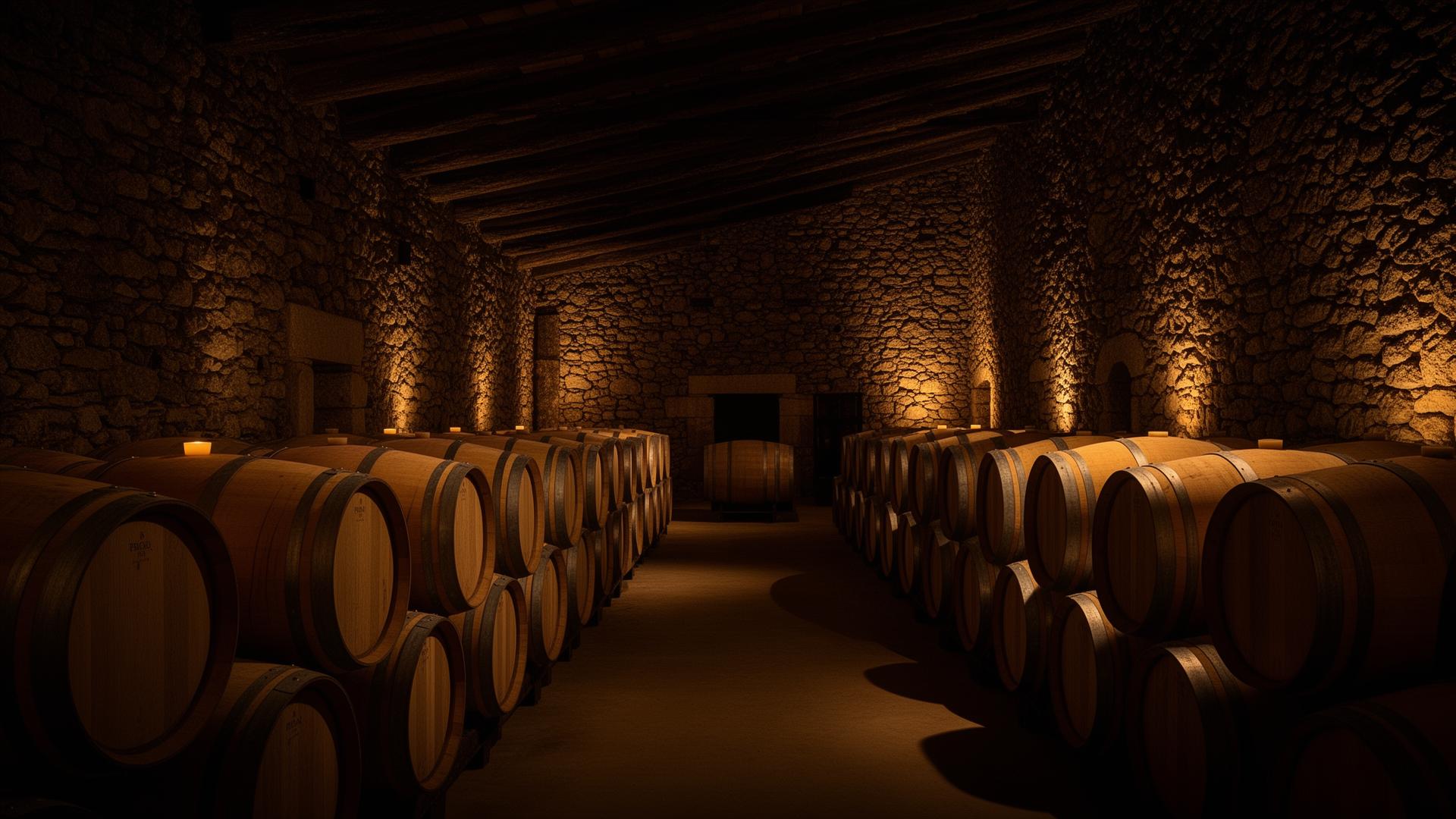
Founded by René Barbier in the village of Gratallops, Clos Mogador is one of the icons of the Priorat Renaissance. Visits include a walk through the vineyards, a tour of the cellars and an unhurried tasting of their flagship reds.
Álvaro Palacios
Also based in Gratallops, this estate is celebrated for L'Ermita, considered one of the most refined wines in Spain. Tastings here highlight the elegance, perfume and balance that distinguish Palacios' style.
Clos Figueras
Founded by wine merchant Christopher Cannan, Clos Figueras combines exceptional wines with sweeping vineyard views and an on-site restaurant that pairs each bottle with carefully sourced local cuisine.
Celler Mas Doix
In the quiet village of Poboleda, this family-owned estate dates back to 1850 and is known for its old-vine Garnatxa and Carinyena. Tours move at a slower, more personal pace — exactly the kind of winery worth seeking out.
Wine Tasting Experiences in Priorat
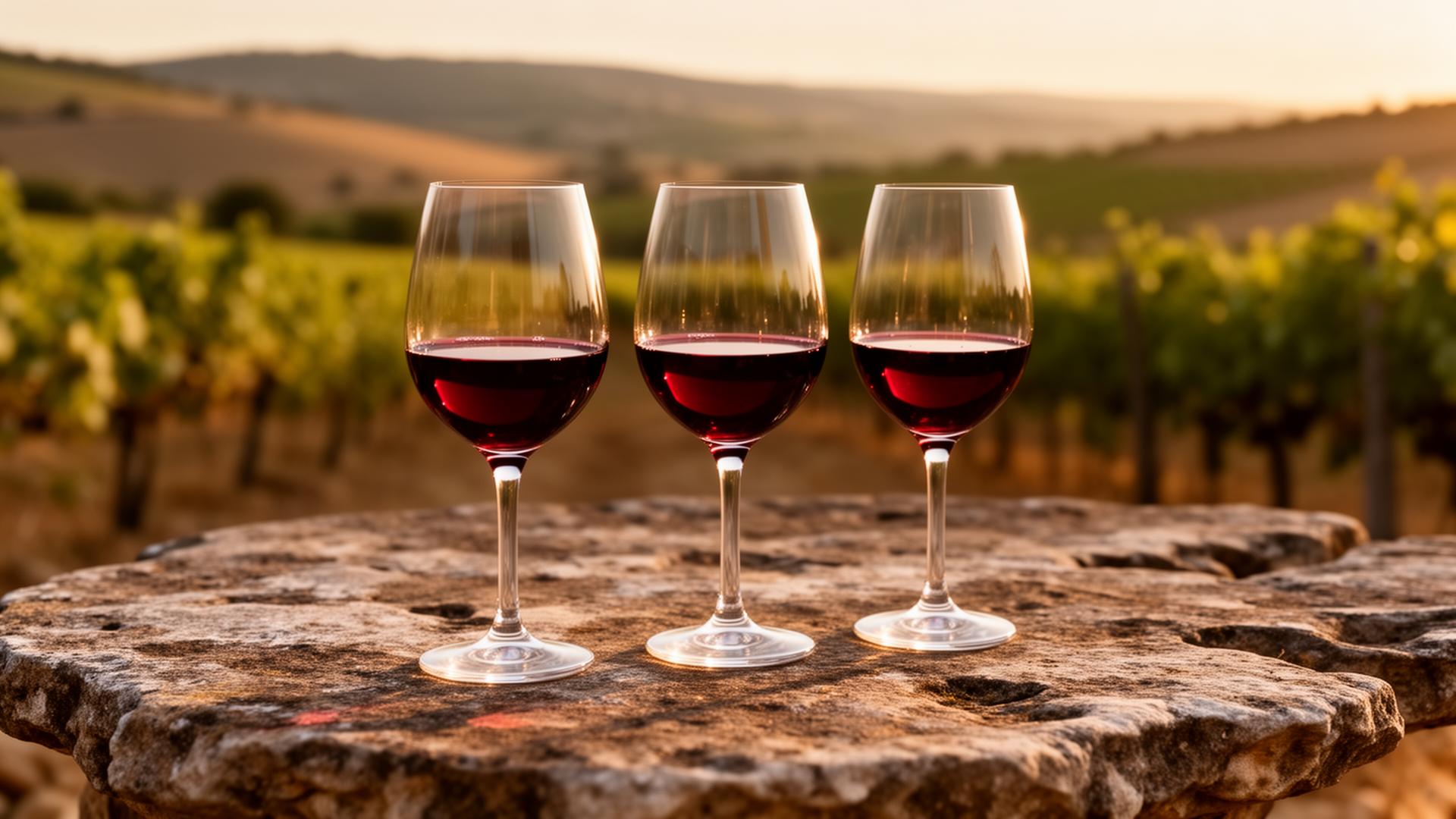
Tasting in Priorat is intimate by design. The cellars are small, the producers are present and the wines are poured with context — vintage by vintage, plot by plot. Many visits begin with a short walk through the vineyards, followed by a flight of current releases and, often, an older bottle to show how these wines evolve.
For a truly private and unhurried day in the region, our private experiences from Barcelona include curated tastings at family-owned wineries — with travel in a premium electric Tesla and full flexibility on the itinerary.
Pairing Priorat Wines with Local Cuisine
The robust, concentrated profile of Priorat wines is a natural match for Catalan country cooking. A few classic pairings stand out:
- Conill amb cargols (rabbit with snails) — a hearty stew that holds up beautifully to a structured Garnatxa-Carinyena blend.
- Grilled lamb or kid with herbs — the wine's depth and firm tannins cut through the richness of the meat.
- Aged Catalan cheeses and cured sausages — perfect for slow tastings between courses.
- Escalivada (roasted vegetables) and grilled mushrooms — a lighter pairing for a younger Garnatxa.
On the white side, a Garnatxa Blanca or Macabeu pairs surprisingly well with rice dishes such as fideuà, balancing brininess with mineral cut.
Tips for Planning Your Visit to Priorat
Priorat is wonderfully remote, which is part of its charm — and part of the planning challenge. A few things worth knowing before you go:
- When to visit — Spring and autumn are ideal. Mild weather, vivid vineyards and, in September, the energy of the harvest.
- Getting there — There is no practical public transport between wineries. A private car or a private wine tour from Barcelona is the only realistic option.
- Reservations — Most quality wineries are by appointment only and book up weeks in advance.
- Where to stay — Small boutique hotels and rural guesthouses in villages such as Gratallops, Porrera or Falset.
If you would prefer to skip the logistics entirely, you can also extend our private wine tour from Barcelona to include Priorat as a bespoke day — simply mention it when arranging your experience.
Events and Festivals Celebrating Priorat Wine
A few moments in the year are particularly rewarding for wine travelers:
- Fira del Vi de Falset (early May) — the region's flagship wine fair, with producers from both Priorat and Montsant.
- Tast de Carinyenes in Porrera — dedicated entirely to single-varietal Carignan wines.
- Nit de les Garnatxes at Scala Dei — a summer evening of Grenache tastings at the historic monastery.
Throughout the year many cellars also host smaller harvest dinners and vertical tastings — quieter, more personal occasions that often reveal the most about a winery's character.
Embracing the Essence of Priorat
Discovering Priorat is less about ticking off cellars and more about absorbing a place — its slate hills, its silence, the unhurried way a winemaker pours a glass and waits for your response.
For travelers based in Barcelona, the region pairs naturally with a private day in the Penedès or a slower week exploring Catalonia's wine country. However you arrange the journey, Priorat is a region that rewards attention — and lingers long after the last glass.
Frequently Asked Questions About Wineries Near Barcelona
Plan your journey
Experience the Penedès privately
Discover the wineries in this guide on a fully private journey from Barcelona — silent Tesla travel, family-owned cellars and unhurried tastings.